
Designing a home with energy efficiency in mind is not just about reducing your carbon footprint; it's also about creating a comfortable, healthy living space and saving money on your utility bills. Thoughtful planning and design can significantly lower your energy consumption, making your home more sustainable and affordable. From initial blueprints to final touches, every detail matters when aiming for optimal energy performance. This comprehensive guide explores key principles and practical design ideas to help you create an energy-efficient home.
Understanding Energy Efficient Home Design
Energy-efficient home design encompasses a range of strategies aimed at minimizing energy use for heating, cooling, lighting, and appliances. It involves considering the building's orientation, insulation, window placement, and the selection of energy-saving appliances and systems. The goal is to create a home that requires less energy to maintain a comfortable indoor environment, regardless of the weather outside. Understanding the basic principles of thermal performance, air sealing, and efficient systems is crucial for effective energy-efficient design.
Optimizing Building Orientation
The orientation of your home on its lot can have a significant impact on its energy performance. In colder climates, orienting the long axis of the house towards the south allows for maximum solar gain during the winter months, reducing the need for artificial heating. Large windows on the south-facing side can capture sunlight, warming the interior spaces. Conversely, in warmer climates, orienting the house to minimize direct sunlight exposure can help keep the interior cool. Overhangs, awnings, and landscaping can provide shade to further reduce solar heat gain.
Insulation: The Key to Thermal Performance
Proper insulation is one of the most effective ways to improve energy efficiency. Insulation acts as a barrier to heat flow, keeping your home warmer in the winter and cooler in the summer. Consider insulating walls, ceilings, floors, and basements to create a continuous thermal envelope. Different types of insulation materials offer varying levels of performance, measured by their R-value. Higher R-values indicate better insulation. Common insulation materials include fiberglass, cellulose, spray foam, and rigid foam boards. Proper installation is crucial to avoid gaps and air leaks, which can significantly reduce the effectiveness of the insulation. Plus, with certain improvements, you may be able to find HVAC tax credits to help offset the cost of improving the insulation in your home.
Windows and Doors: Balancing Light and Energy Loss
Windows and doors are often the weakest points in a building's thermal envelope. Heat can easily escape through poorly insulated windows and leaky doors, increasing energy consumption. Opt for energy-efficient windows with low-E coatings and multiple panes to reduce heat transfer. Look for windows that are ENERGY STAR certified, indicating they meet specific energy performance criteria. Proper sealing around windows and doors is essential to prevent air leaks. Consider using weather stripping and caulk to seal gaps and cracks. Strategically placing windows can maximize natural light while minimizing heat gain or loss.
Efficient HVAC Systems: Heating and Cooling Solutions
Heating, ventilation, and air conditioning (HVAC) systems are major energy consumers in most homes. Choosing the right HVAC system and maintaining it properly can significantly reduce energy consumption. Consider high-efficiency furnaces, air conditioners, and heat pumps. Heat pumps, in particular, are an energy-efficient option for both heating and cooling. They transfer heat rather than generating it, making them more efficient than traditional furnaces and air conditioners. Regular maintenance, such as changing air filters and cleaning coils, can help ensure your HVAC system operates efficiently.
Lighting and Appliances: Reducing Energy Consumption
Lighting and appliances account for a significant portion of household energy use. Switching to energy-efficient lighting, such as LED bulbs, can dramatically reduce energy consumption. LEDs use up to 75% less energy than incandescent bulbs and last much longer. When purchasing new appliances, look for ENERGY STAR certified models. These appliances meet strict energy efficiency guidelines set by the EPA. Unplug electronics and appliances when not in use to prevent phantom energy drain. Smart power strips can automatically cut power to devices when they are not in use. You can often find valuable rebates on items when buying energy-efficient lighting and appliances.
Water Heating: Efficient Solutions
Water heating is another major energy consumer in many homes. Consider installing a high-efficiency water heater, such as a tankless water heater or a heat pump water heater. Tankless water heaters heat water on demand, eliminating the need to store hot water and reducing standby heat loss. Heat pump water heaters use electricity to transfer heat from the surrounding air to the water, making them more efficient than traditional electric water heaters. Insulating your water heater and hot water pipes can also help reduce heat loss.
Renewable Energy Options: Solar Power and More
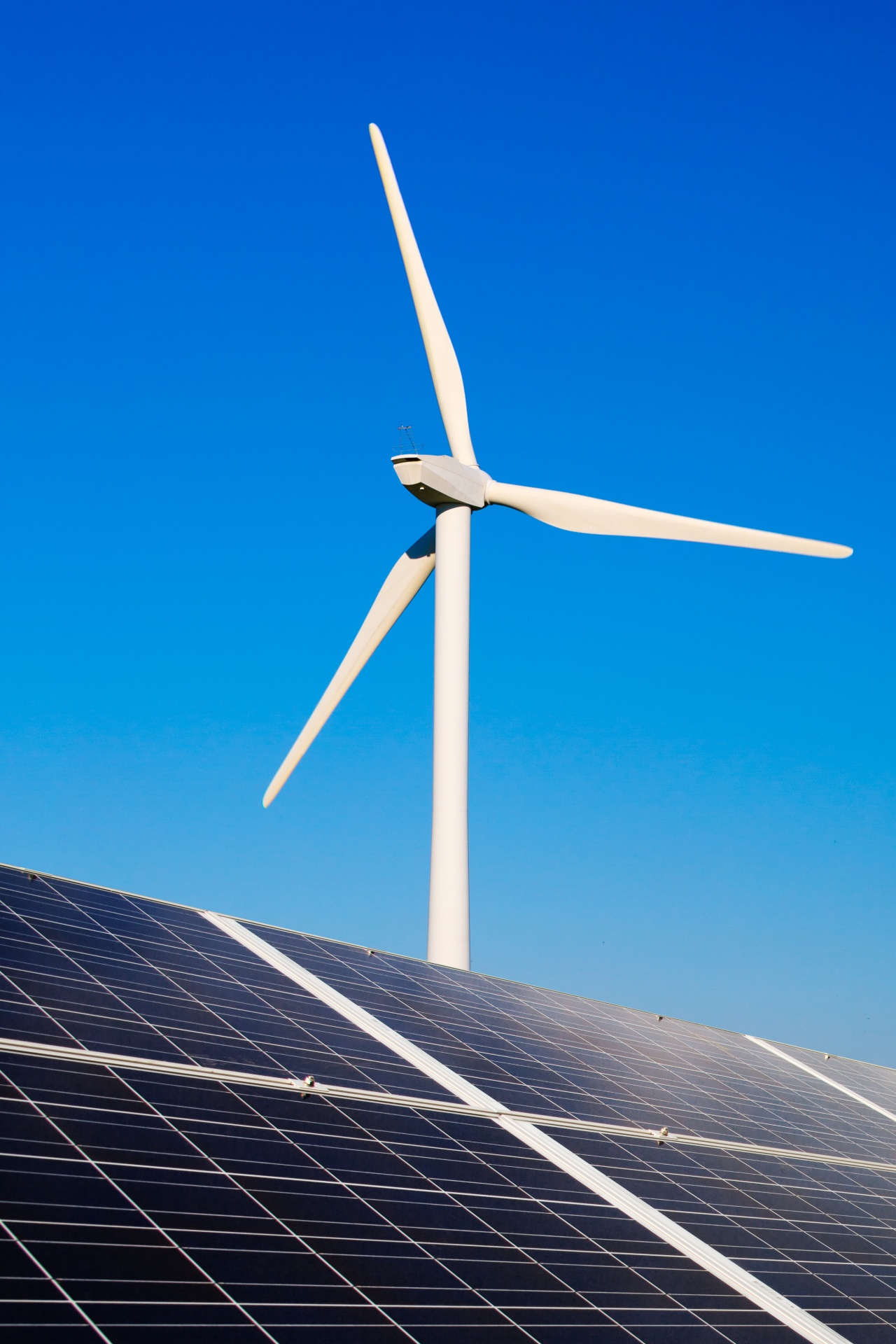
Harnessing renewable energy sources can further reduce your reliance on fossil fuels and lower your energy bills. Solar panels can generate electricity from sunlight, providing a clean and sustainable energy source. Solar water heaters can use sunlight to heat water, reducing the need for traditional water heating systems. Consider installing a solar energy system to take advantage of the sun's abundant energy. Many states and local governments offer solar energy rebates and incentives to help offset the cost of installation. Beyond solar, explore options like geothermal energy, which uses the Earth’s constant temperature to heat and cool your home.
Smart Home Technology: Automation for Energy Savings
Smart home technology can help you monitor and control your energy consumption. Smart thermostats can automatically adjust the temperature based on your schedule and preferences, reducing energy waste. Smart lighting systems can dim or turn off lights when they are not needed. Energy monitoring systems can track your energy consumption in real-time, providing valuable insights into your energy usage patterns. Using smart home technology can help you identify areas where you can save energy and reduce your utility bills.
Landscaping for Energy Efficiency
Strategic landscaping can help shade your home and reduce solar heat gain in the summer. Planting trees and shrubs on the west and south sides of your home can block sunlight, keeping the interior cooler. Deciduous trees are particularly effective, as they provide shade in the summer and allow sunlight to pass through in the winter. Creating windbreaks with trees and shrubs can also help reduce heat loss in the winter. Proper landscaping can significantly improve your home's energy performance and create a more comfortable outdoor environment.
DIY Energy Efficiency: Simple Steps for Savings
You don't need to undertake a major renovation to improve your home's energy efficiency. Simple DIY energy efficiency projects can make a big difference. Sealing air leaks around windows, doors, and pipes can help prevent drafts and reduce energy waste. Adding insulation to your attic or crawl space can improve thermal performance. Installing a programmable thermostat can help you control your heating and cooling costs. Making small changes to your daily habits, such as turning off lights when you leave a room and unplugging electronics when not in use, can also contribute to energy savings.
Understanding Energy Rebates and Tax Credits
Many federal, state, and local governments offer energy rebates and tax credits to encourage energy efficiency. These incentives can help offset the cost of energy-efficient upgrades and make them more affordable. Research available energy rebate program options for energy-efficient appliances, insulation, windows, and renewable energy systems. Take advantage of HVAC tax credits for qualified energy-efficient improvements to your home. Check with your local utility company and government agencies to learn more about available incentives.
Navigating Energy Assistance Programs
For low-income households, managing energy bills can be a significant challenge. Several energy assistance programs are available to help eligible families afford their energy costs. The Low Income Home Energy Assistance Program (LIHEAP) provides financial assistance to help families pay their heating and cooling bills. State and local governments also offer fuel assistance programs and home heating programs to help low-income households manage their energy expenses. Contact your local social services agency or utility company to learn more about available energy aid and how to apply. Many utility companies offer payment plans and bill relief programs to help customers manage their energy costs. If you're struggling to pay your utility bills, reach out to your utility company and ask about available assistance options.
Prioritizing Home Wellness and Safety
Energy efficiency goes hand in hand with home wellness and safety. Improving indoor air quality, preventing mold growth, and ensuring proper ventilation are all important aspects of creating a healthy and safe living environment. Sealing air leaks and insulating your home can help prevent drafts and reduce the risk of mold growth. Installing carbon monoxide detectors and smoke detectors can help protect your family from potential hazards. Creating an energy-efficient home can also contribute to a more comfortable and relaxing living space.
Conclusion
Designing an energy-efficient home requires careful planning and attention to detail. By optimizing building orientation, improving insulation, choosing energy-efficient windows and doors, and selecting efficient HVAC systems, lighting, and appliances, you can significantly reduce your energy consumption and create a more sustainable living environment. Taking advantage of renewable energy options, smart home technology, and DIY energy efficiency projects can further enhance your home's energy performance. Remember to explore available energy rebates and tax credits to help offset the cost of energy-efficient upgrades. And for those who need it, utilize resources like LIHEAP or HEAP, along with other utility bill assistance programs, can help families struggling to pay for essential heating and cooling. By incorporating these energy-efficient design ideas into your home, you can save money on your utility bills, reduce your carbon footprint, and create a more comfortable and healthy living space for you and your family.