
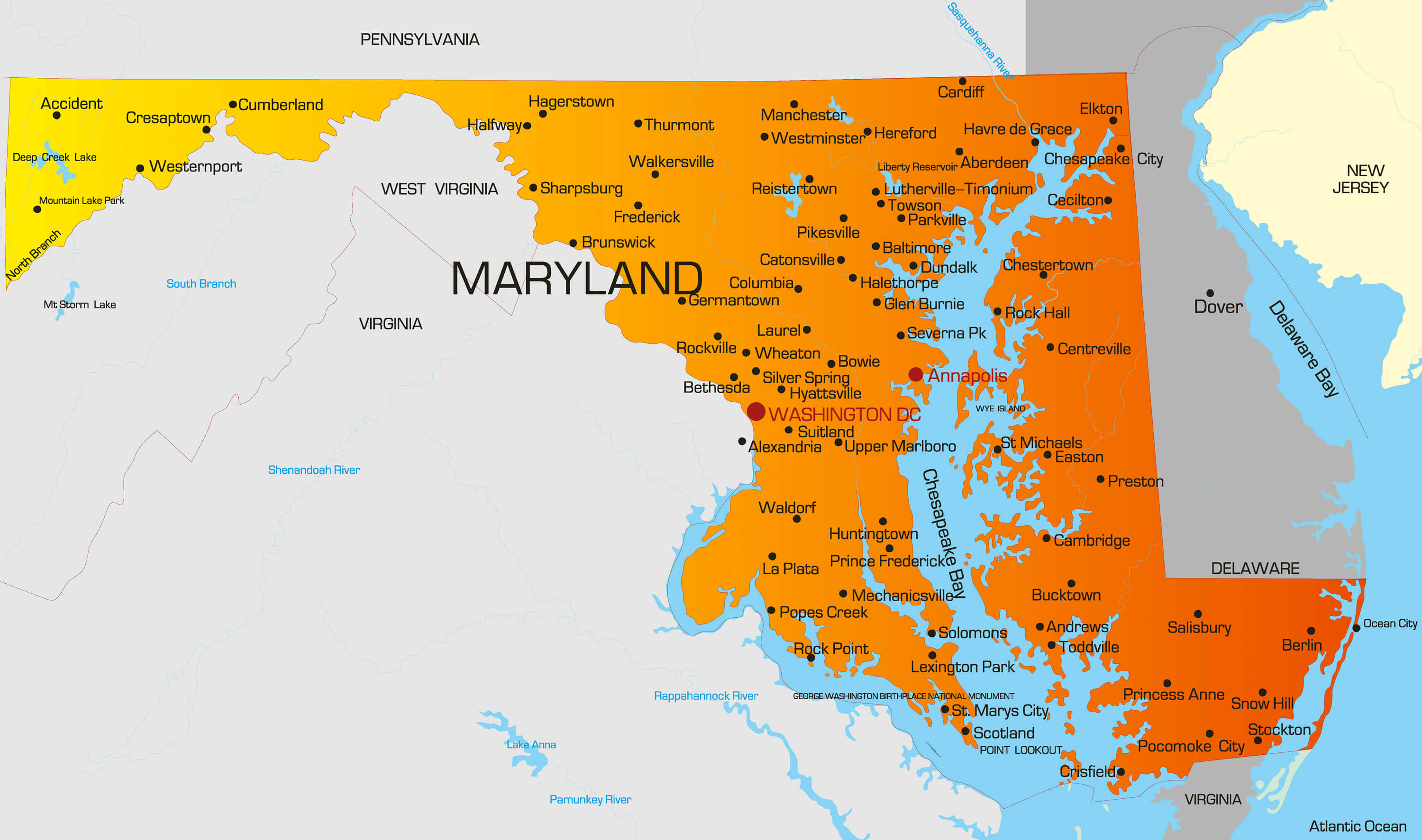
Maryland residents facing the ever-increasing costs of energy have a vital resource in the Maryland Office of Home Energy Programs (OHEP). This office is the primary administrator of programs designed to help low-income households manage their energy bills, improve home energy efficiency, and stay safe and comfortable year-round. The role of Deputy Director within OHEP is crucial for ensuring these programs are effective, accessible, and reach those who need them most. This in-depth guide explores the functions of OHEP, the significance of the Deputy Director position, and how Maryland residents can leverage available resources to reduce their energy burdens.
Understanding the Maryland Office of Home Energy Programs (OHEP)
The Maryland Office of Home Energy Programs is dedicated to providing financial assistance and energy-saving solutions to eligible Maryland residents. OHEP manages several key programs, funded by both federal and state resources. These programs are designed to offer comprehensive support, from direct bill payment assistance to weatherization services that can significantly lower energy consumption.
Key Programs Administered by OHEP
The Low Income Home Energy Assistance Program (LIHEAP): LIHEAP is a federally funded program that provides financial assistance to help low-income households pay their heating bills during the winter months. This assistance can come in the form of a direct payment to the energy provider on behalf of the eligible household. LIHEAP eligibility is based on household income, size, and energy usage.
The Maryland Energy Assistance Program (MEAP): MEAP is the state-funded equivalent of LIHEAP and offers similar benefits and eligibility requirements. MEAP helps supplement the assistance provided by LIHEAP, ensuring that more Maryland residents receive the help they need to afford their energy bills.
Electric Universal Service Program (EUSP): EUSP is designed to help low-income customers maintain electric service. It provides a monthly bill credit to eligible customers, reducing the overall cost of their electricity.
Arrearage Retirement Assistance (ARA): ARA helps customers with past-due energy bills to reduce or eliminate their outstanding balance. Eligible customers who make consistent payments may receive credits toward their arrearage, helping them to get back on track and avoid service disconnection.
Weatherization Assistance Program (WAP): WAP focuses on improving the energy efficiency of low-income homes. The program provides free home energy audits and installs energy-saving measures such as insulation, weather stripping, and efficient lighting. These improvements can lead to significant reductions in energy consumption and lower utility bills over the long term.
How OHEP Benefits Maryland Residents
OHEP provides vital support to vulnerable populations, including low-income families, seniors, and individuals with disabilities. By offering financial assistance and energy efficiency services, OHEP helps these residents maintain safe and comfortable living conditions, especially during extreme weather. The programs administered by OHEP also have broader benefits for the community, such as reducing energy waste, improving air quality, and stimulating the local economy through weatherization projects. Moreover, by helping families afford their energy bills, OHEP contributes to their overall financial stability and well-being. Affordable home heating is more than just comfort; it's essential to health and safety.
The Role of the Deputy Director at OHEP
The Deputy Director at OHEP plays a pivotal role in the effective management and administration of the agency's programs. This leadership position is responsible for overseeing the day-to-day operations of OHEP, ensuring that programs are implemented efficiently and effectively, and that services are delivered to those who need them most. The Deputy Director works closely with the Director and other senior staff to develop and implement policies, procedures, and strategies that advance OHEP's mission.
Key Responsibilities of the Deputy Director
Program Management: The Deputy Director is responsible for overseeing the management of OHEP's various programs, including LIHEAP, MEAP, EUSP, ARA, and WAP. This involves ensuring that programs are operating in compliance with federal and state regulations, that funds are being used appropriately, and that program outcomes are being measured and evaluated.
Policy Development: The Deputy Director plays a key role in developing and implementing policies and procedures that guide OHEP's operations. This includes analyzing data, researching best practices, and working with stakeholders to identify and address challenges and opportunities.
Stakeholder Engagement: The Deputy Director is responsible for building and maintaining relationships with a variety of stakeholders, including federal and state agencies, community organizations, energy providers, and advocacy groups. This involves participating in meetings, conferences, and other events, and serving as a liaison between OHEP and the community.
Staff Supervision: The Deputy Director supervises a team of professional and administrative staff, providing guidance, support, and performance feedback. This involves setting clear expectations, providing opportunities for professional development, and fostering a positive and collaborative work environment.
Financial Management: The Deputy Director is responsible for overseeing the financial management of OHEP, including budgeting, accounting, and auditing. This involves ensuring that funds are being used effectively and efficiently, and that OHEP is in compliance with all applicable financial regulations.
Data Analysis and Reporting: The Deputy Director is responsible for analyzing data on OHEP's programs and services and preparing reports for internal and external stakeholders. This involves using data to identify trends, track progress, and make recommendations for improvement.
How the Deputy Director Impacts Maryland Residents
The Deputy Director's work directly impacts the lives of Maryland residents who rely on OHEP's programs and services. By ensuring that these programs are well-managed and effectively implemented, the Deputy Director helps to ensure that low-income households have access to the energy assistance they need to stay safe and comfortable. The Deputy Director's work also helps to improve the energy efficiency of homes, reducing energy waste and lowering utility bills for families across the state.
Maximizing Energy Savings and Assistance in Maryland
Maryland residents looking to reduce their energy costs and access available assistance programs have several options. Understanding these resources and taking proactive steps can significantly improve affordability and comfort.
Applying for Energy Assistance Programs
The first step in accessing energy assistance is to determine eligibility and apply for the appropriate programs. LIHEAP, MEAP, and EUSP all have specific income requirements and application procedures. Information on eligibility criteria and application instructions can be found on the Maryland Department of Human Services website or by contacting your local OHEP office.
Required Documentation: When applying for energy assistance, be prepared to provide documentation such as proof of income, identification, social security numbers for all household members, and copies of recent utility bills.
Application Deadlines: Be aware of application deadlines for different programs, as these can vary. Applying early in the season can help ensure timely assistance.
Local OHEP Offices: Contact your local OHEP office for personalized assistance with the application process and to learn about other available resources in your area.
DIY Energy Efficiency Tips
Even small changes can make a big difference in reducing energy consumption and lowering utility bills. Here are some practical DIY energy efficiency tips that Maryland residents can implement: Seal Air Leaks: Caulk and weatherstrip around windows and doors to prevent drafts and air leaks. This can significantly reduce heat loss in the winter and keep your home cooler in the summer. Insulate Your Home: Proper insulation is essential for maintaining a comfortable temperature and reducing energy waste. Add insulation to attics, walls, and crawl spaces to improve your home's energy efficiency. Upgrade to Energy-Efficient Lighting: Replace incandescent light bulbs with LED bulbs, which use significantly less energy and last much longer. Use Programmable Thermostats: Install a programmable thermostat to automatically adjust the temperature based on your schedule. This can help you save energy when you're away from home or asleep. Unplug Electronics: Many electronics continue to draw power even when they're turned off. Unplug chargers, TVs, and other devices when they're not in use to save energy. Water Heater Insulation: Insulate your water heater to reduce heat loss and lower your water heating costs.
Professional Energy Audits
For a more comprehensive assessment of your home's energy efficiency, consider scheduling a professional energy audit. A qualified energy auditor will evaluate your home's insulation, air sealing, heating and cooling systems, and other energy-related factors, and provide recommendations for improvement.
Finding a Qualified Auditor: Look for energy auditors who are certified by the Building Performance Institute (BPI) or the Residential Energy Services Network (RESNET).
Audit Process: During an energy audit, the auditor will typically perform a blower door test to measure air leakage and use infrared cameras to identify areas of heat loss.
Report and Recommendations: After the audit, you'll receive a report with detailed recommendations for improving your home's energy efficiency, along with estimated costs and potential savings.
Leveraging Rebates and Tax Credits
Many energy efficiency upgrades qualify for rebates and tax credits from federal, state, and local governments, as well as utility companies. These incentives can help offset the cost of energy-saving improvements and make them more affordable.
Federal Tax Credits: The federal government offers tax credits for certain energy efficiency improvements, such as installing energy-efficient windows, doors, and insulation.
State Rebates: The Maryland Energy Administration (MEA) offers rebates for a variety of energy-efficient products and upgrades, including appliances, HVAC systems, and renewable energy systems.
Utility Rebates: Utility companies in Maryland also offer rebates for energy-efficient appliances and equipment. Check with your local utility company for more information on available rebates.
Considering Solar Energy
Solar energy is a clean, renewable source of energy that can significantly reduce your reliance on fossil fuels and lower your electricity bills. Maryland has several programs and incentives to encourage solar energy adoption.
Solar Investment Tax Credit (ITC): The federal government offers a tax credit for a percentage of the cost of installing a solar energy system.
Maryland Net Metering: Maryland's net metering policy allows homeowners to receive credit on their electricity bills for the excess electricity that their solar panels send back to the grid.
Grants and Loans: The Maryland Energy Administration offers grants and loans to help homeowners finance solar energy projects.
Preparing Your Home for Seasonal Weather
Taking steps to prepare your home for seasonal weather changes is crucial for maintaining comfort and reducing energy consumption.
Winterizing Your Home
Insulate Pipes: Wrap exposed pipes with insulation to prevent them from freezing and bursting during cold weather. Check Your Heating System: Schedule a professional inspection and tune-up of your heating system to ensure it's operating efficiently and safely. Stock Up on Emergency Supplies:Prepare an emergency kit with blankets, flashlights, batteries, and other essential supplies in case of a power outage.
Summer Cooling Strategies
Use Fans: Fans can help circulate air and make you feel cooler without having to turn up the air conditioning. Close Curtains and Blinds: During the hottest part of the day, close curtains and blinds to block out sunlight and prevent your home from overheating. Cook Outdoors:Avoid using your oven and stove during hot weather, as they can generate a lot of heat. Instead, grill outdoors or prepare meals that don't require cooking.
Conclusion
The Maryland Office of Home Energy Programs, guided by dedicated individuals like the Deputy Director, provides essential resources for Maryland residents struggling with energy costs. By understanding available programs, implementing energy efficiency measures, and taking advantage of rebates and tax credits, residents can significantly reduce their energy burdens and create more comfortable and affordable homes. Whether you're seeking utility bill help or looking to make your home more energy-efficient, OHEP and its various programs offer a valuable lifeline for Maryland families.