
Crafting a home that's both beautiful and budget-friendly starts with smart design. More than just aesthetics, your floor plan directly impacts your energy consumption. A well-thought-out design can drastically reduce your reliance on heating and cooling systems, leading to significant energy savings and lower utility bills. This guide explores energy-efficient home floor plans, offering practical tips and insights to help you create a comfortable and cost-effective living space. We'll cover everything from passive solar design to insulation strategies, helping you maximize energy efficiency and minimize your carbon footprint.
Understanding Passive Solar Design
Passive solar design harnesses the sun's energy for heating and cooling, naturally regulating your home's temperature. It's a cornerstone of energy-efficient architecture and a great way to reduce your reliance on traditional HVAC systems. By carefully considering your home's orientation, window placement, and thermal mass, you can create a space that stays warm in the winter and cool in the summer, leading to substantial energy savings and potentially qualifying you for energy rebates.
Orientation is Key
The direction your house faces significantly impacts how much sunlight it receives throughout the day. In the Northern Hemisphere, a south-facing orientation is ideal for maximizing solar gain during the winter months. This allows sunlight to penetrate deep into your home, warming the interior.
Window Placement for Optimal Gain
Windows are crucial elements in passive solar design. South-facing windows should be larger to capture the most sunlight, while north-facing windows should be smaller to minimize heat loss. Consider using low-E (low-emissivity) coatings on your windows to further reduce heat transfer and increase energy efficiency. This is a simple DIY energy efficiency upgrade that can make a big difference.
Thermal Mass for Temperature Regulation
Thermal mass refers to materials that can absorb, store, and release heat. Concrete, brick, and stone are excellent examples of thermal mass. Incorporating these materials into your home's design can help stabilize indoor temperatures, reducing the need for heating and cooling. During the day, thermal mass absorbs heat from the sun. At night, it releases that heat, keeping your home warm.
Efficient Floor Plan Layouts
Beyond passive solar design, the layout of your floor plan plays a critical role in energy efficiency. Open floor plans, zoning strategies, and strategic placement of rooms can all contribute to reduced energy consumption and lower utility bills.
Open Floor Plans for Natural Airflow
Open floor plans allow for better natural airflow throughout your home, reducing the need for air conditioning. By eliminating walls and barriers, you create a more even temperature distribution, making it easier to heat or cool the entire space efficiently.
Zoning for Targeted Heating and Cooling
Zoning involves dividing your home into different areas that can be heated or cooled independently. This allows you to focus energy on the rooms you're actively using, rather than wasting it on unoccupied spaces. For example, you might heat the living room during the day and the bedrooms at night. Zoning can be achieved through multiple thermostats or even by strategically closing doors and using space heaters or fans. Consider this in conjunction with home heating programs and fuel assistance checks, especially during colder months.
Strategic Room Placement
The placement of rooms within your home can also impact energy efficiency. For example, placing bedrooms on the east side of the house allows them to benefit from morning sunlight, while locating living areas on the south side maximizes solar gain during the day. Consider the natural climate of the region. For example, in a desert setting, it’s important to mitigate the sun.
Insulation: Your First Line of Defense
Proper insulation is essential for maintaining a comfortable indoor temperature and reducing energy loss. It acts as a barrier between the inside and outside of your home, preventing heat from escaping in the winter and entering in the summer. Upgrading your insulation is often a key step in qualifying for energy rebates and HVAC tax credits.
Types of Insulation
There are several types of insulation available, each with its own R-value (a measure of thermal resistance). Common types include fiberglass, cellulose, spray foam, and rigid foam boards. The best type of insulation for your home will depend on your climate, budget, and construction type.
Insulating Walls, Roofs, and Floors
It's important to insulate all areas of your home, including walls, roofs, and floors. Walls should be insulated to the recommended R-value for your climate zone, while roofs should have even higher levels of insulation. Floors above unheated spaces, such as garages or crawl spaces, should also be insulated to prevent heat loss.
Sealing Air Leaks for Maximum Efficiency
In addition to insulation, it's crucial to seal any air leaks in your home. Air leaks can significantly reduce the effectiveness of your insulation and lead to drafts, higher energy bills and may even be addressed through utility bill assistance programs.. Common sources of air leaks include windows, doors, and cracks in the foundation. Sealing these leaks with caulk or weatherstripping can make a big difference in your home's energy efficiency.
Energy-Efficient Windows and Doors
Windows and doors are often weak points in a home's insulation envelope. Upgrading to energy-efficient windows and doors can significantly reduce heat transfer and improve overall energy performance. Plus, many states and utility companies offer incentives, such as energy rebate programs, for installing energy-efficient windows and doors.
Low-E Coatings and Gas Fills
Low-E coatings on windows reduce the amount of heat that passes through the glass, while gas fills between the panes of glass provide additional insulation. These features can dramatically improve the energy efficiency of your windows.
Energy Star Ratings
Look for windows and doors with Energy Star ratings, which indicate that they meet certain energy efficiency standards. Energy Star-rated products are independently tested and certified to perform better than standard products, helping you save energy and money.
Proper Installation
Even the most energy-efficient windows and doors won't perform well if they're not installed properly. Make sure to hire a qualified contractor to install your windows and doors to ensure a tight seal and prevent air leaks.
Smart HVAC Systems
Your heating, ventilation, and air conditioning (HVAC) system is one of the biggest energy consumers in your home. Upgrading to a more efficient HVAC system can significantly reduce your energy bills. Check for HVAC tax credits and rebates to offset the cost of a new system.
High-Efficiency Furnaces and Air Conditioners
Look for furnaces and air conditioners with high AFUE (Annual Fuel Utilization Efficiency) and SEER (Seasonal Energy Efficiency Ratio) ratings, respectively. These ratings indicate how efficiently the system converts fuel or electricity into heat or cooling.
Programmable Thermostats
Programmable thermostats allow you to set different temperatures for different times of the day, reducing energy waste when you're not home or asleep. Many smart thermostats can even learn your habits and adjust the temperature automatically. This is another simple DIY energy efficiency upgrade.
Regular Maintenance
Regular maintenance is essential for keeping your HVAC system running efficiently. Schedule annual tune-ups to clean the system, check for leaks, and ensure that all components are working properly. Ignoring maintenance can lead to reduced efficiency and costly repairs.
Renewable Energy Options: Solar Power
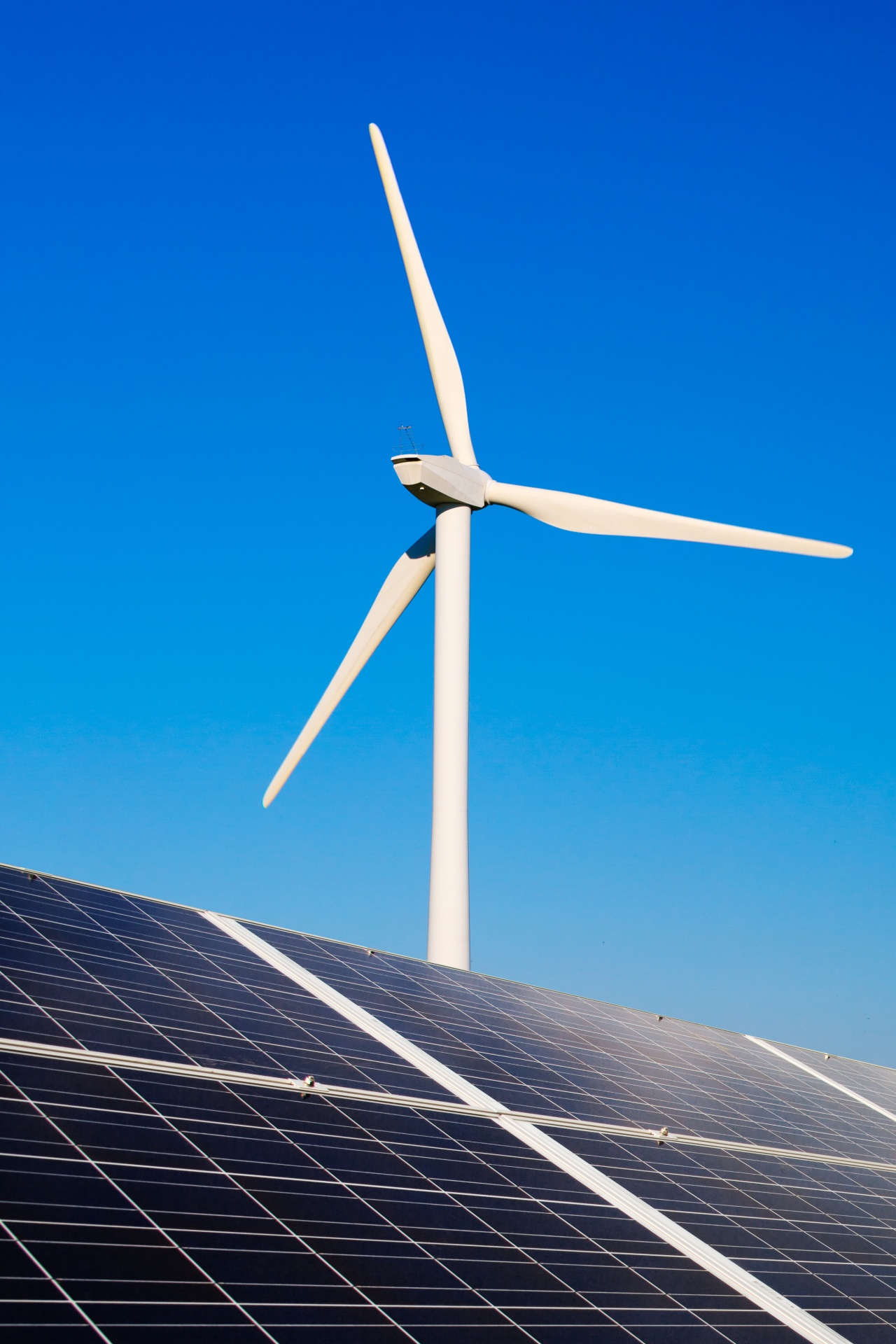
Solar power is a clean, renewable energy source that can significantly reduce your reliance on traditional energy sources. Installing solar panels on your roof can generate electricity for your home, reducing your carbon footprint and lowering your utility bills. Explore low income energy programs and solar energy tips to make solar power more accessible.
Solar Panel Installation
Solar panel installation involves mounting solar panels on your roof and connecting them to your home's electrical system. A solar inverter converts the DC electricity generated by the panels into AC electricity that can be used to power your home.
Net Metering
Net metering allows you to sell excess electricity generated by your solar panels back to the utility company. This can help offset the cost of your solar panels and further reduce your utility bills.
Government Incentives
Many states and the federal government offer incentives, such as tax credits and rebates, for installing solar panels. These incentives can significantly reduce the upfront cost of solar power, making it more affordable for homeowners.
Additional Tips for Energy Savings
Beyond the major design and equipment upgrades, there are many smaller steps you can take to reduce your energy consumption and lower your utility bills. These DIY energy efficiency tips can add up to significant savings over time.
Energy-Efficient Lighting
Switch to LED lighting, which uses up to 75% less energy than traditional incandescent bulbs. LED bulbs also last much longer, reducing the need for replacements.
Water Heating Efficiency
Insulate your water heater and pipes to reduce heat loss. Consider installing a low-flow showerhead and faucet aerators to conserve water and energy.
Appliance Efficiency
Look for Energy Star-rated appliances when replacing old ones. These appliances use less energy and can save you money over their lifespan.
Unplug Electronics
Many electronics continue to draw power even when they're turned off. Unplug electronics when you're not using them to prevent phantom energy drain.
Home Energy Audits
Consider conducting a home energy audit to identify areas where you can improve energy efficiency. A professional energy auditor can assess your home's energy performance and recommend specific upgrades. You might find fuel assistance is readily available following the recommendations.
Navigating Energy Assistance Programs
For low-income families and individuals, managing energy bills can be a significant challenge. Fortunately, several energy assistance programs are available to provide financial support and help make homes more energy-efficient.
LIHEAP (Low Income Home Energy Assistance Program)
LIHEAP is a federal program that provides financial assistance to help low-income households pay their heating and cooling bills. LIHEAP funds can be used to cover energy costs, weatherization services, and energy-related repairs.
HEAP (Home Energy Assistance Program)
HEAP is a state-funded program that provides similar assistance to LIHEAP. The eligibility requirements and benefit levels vary by state.
Utility Bill Assistance Programs
Many utility companies offer their own assistance programs to help customers struggling to pay their bills. These programs may include payment plans, budget billing, and energy efficiency audits.
Weatherization Assistance Program
The Weatherization Assistance Program provides free weatherization services to low-income households. These services can include insulation upgrades, air sealing, and furnace repairs.
Creating a Comfortable and Cost-Effective Home
By implementing these energy-efficient home floor plan strategies and taking advantage of available energy assistance programs, you can create a comfortable, cost-effective, and environmentally friendly living space. From passive solar design to insulation upgrades and renewable energy options, there are many ways to reduce your energy consumption and lower your utility bills. Remember to explore all available resources, including energy rebates, HVAC tax credits, and low income energy programs, to make your home as energy-efficient as possible. Making improvements for energy savings not only helps your wallet but contributes to a more sustainable future.