
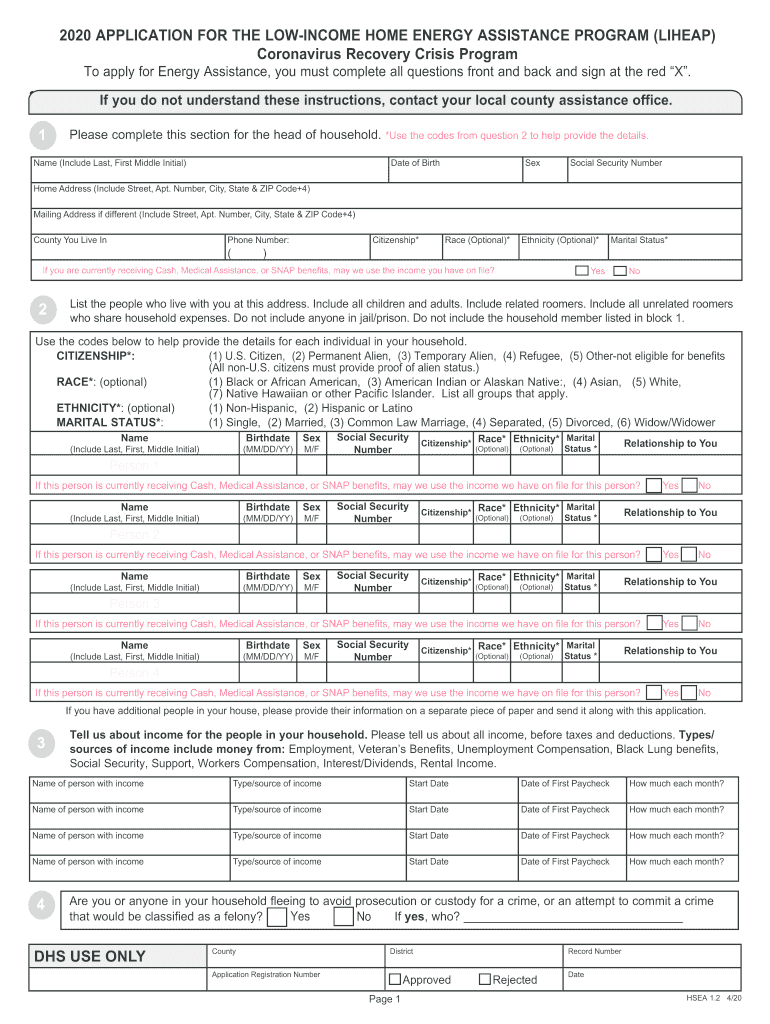
Struggling to keep your home warm during Maine's harsh winters? You're not alone. Many Maine residents face challenges affording their energy bills. The Low Income Home Energy Assistance Program (LIHEAP), also known as the Home Energy Assistance Program (HEAP) in some regions, offers crucial financial support to eligible households, helping them manage their heating costs and stay safe and comfortable. This comprehensive guide breaks down everything you need to know about LIHEAP in Maine, from understanding eligibility criteria to navigating the application process and exploring other energy-saving resources.
Understanding LIHEAP in Maine: Your Gateway to Affordable Home Heating
LIHEAP is a federally funded program designed to assist low-income households with their home energy bills. In Maine, this program is essential for ensuring that vulnerable residents, including seniors, families with young children, and individuals with disabilities, can access affordable heating during the cold winter months. The program provides a one-time payment to help offset heating costs, whether you heat your home with oil, electricity, propane, wood, or another fuel source. It's more than just a bill payment; it's about providing peace of mind and ensuring the health and safety of Maine communities.
Who is Eligible for LIHEAP in Maine? Key Eligibility Requirements
Determining your eligibility for LIHEAP involves several factors. Here's a breakdown of the key criteria: Income: LIHEAP eligibility is primarily based on household income. The income limits are set each year and are based on the federal poverty guidelines. Generally, your gross household income must be at or below a certain percentage of the poverty level. Contact your local community action agency for specific income thresholds for the current program year. Household Size: The number of people living in your household affects the income limit. Larger households have higher income limits than smaller ones. Maine Residency: You must be a resident of Maine. Responsibility for Heating Costs: You must be responsible for paying your home heating costs, either directly to a fuel vendor or as part of your rent. Citizenship or Qualified Alien Status:You must be a U.S. citizen or a qualified alien.
Example: Let's say a family of four in Maine has a gross annual income of $45,000. They would need to check the current income guidelines for LIHEAP in Maine to determine if they fall within the eligible range. These guidelines are updated annually, so it's essential to consult the most recent information.
Navigating the LIHEAP Application Process in Maine: A Step-by-Step Guide
Applying for LIHEAP in Maine is generally a straightforward process, but it's essential to gather all the necessary documentation and follow the instructions carefully. Here's a step-by-step guide:
1.Gather Required Documents: Before you begin the application, collect the following documents: Proof of income for all household members (e.g., pay stubs, Social Security statements, unemployment benefits statements).
Proof of residency (e.g., a utility bill, lease agreement, or property tax bill).
Social Security numbers for all household members.
Your heating bill or fuel vendor information.
2.Locate Your Local Community Action Agency: LIHEAP applications are typically handled by local Community Action Agencies (CAAs) throughout Maine. Find the CAA that serves your county. A list is usually available on the Maine Department of Health and Human Services website or by doing a web search.
3.Obtain an Application: You can usually obtain an application form from your local CAA's website, by visiting their office, or by calling them and requesting one be mailed to you.
4.Complete the Application: Fill out the application form accurately and completely. Be sure to answer all questions and provide all the requested information.
5.Submit Your Application: Submit your completed application and all required documents to your local CAA. You can typically submit your application by mail, in person, or, in some cases, online.
6.Wait for Notification: Once your application is processed, you will receive a notification from the CAA regarding your eligibility. If approved, the LIHEAP payment will typically be credited directly to your fuel vendor account or, in some cases, provided as a direct payment.
Important Note: Application deadlines vary each year, so it's crucial to apply as early as possible once the program opens for the season, typically in the fall. Don't wait until the coldest months to apply!
Maximizing Your Energy Savings Beyond LIHEAP: Additional Resources and Tips
While LIHEAP provides crucial financial assistance, there are other ways to reduce your energy consumption and lower your heating bills. Maine offers various energy efficiency programs, rebates, and DIY strategies to help you save money and create a more comfortable home.
Maine's Energy Efficiency Programs and Rebates
Efficiency Maine: Efficiency Maine is a valuable resource for homeowners looking to improve their energy efficiency. They offer rebates and incentives for various energy-efficient upgrades, including: Insulation: Improving your home's insulation can significantly reduce heat loss and lower your heating bills. Efficiency Maine offers rebates for insulation upgrades in attics, walls, and basements.
High-Efficiency Heating Systems: Upgrading to a high-efficiency furnace, boiler, or heat pump can save you a substantial amount of money over time. Efficiency Maine offers rebates for these types of systems.
Weatherization: Sealing air leaks around windows, doors, and other openings can prevent drafts and reduce energy waste. Efficiency Maine offers resources and rebates for weatherization projects. Home Energy Audits: Consider scheduling a home energy audit to identify areas where you can improve your home's energy efficiency. An energy auditor will assess your home's insulation, heating system, and other energy-related factors and provide recommendations for improvements.
DIY Energy Efficiency Tips for Immediate Savings
You don't need to spend a lot of money to start saving energy. Here are some simple DIY energy efficiency tips you can implement right away: Seal Air Leaks: Use caulk or weather stripping to seal air leaks around windows, doors, and other openings. Insulate Outlets and Switch Plates: Install foam inserts behind electrical outlets and switch plates to prevent drafts. Lower Your Thermostat: Lowering your thermostat by a few degrees can significantly reduce your heating bills. Consider using a programmable thermostat to automatically adjust the temperature when you're away or sleeping. Use Energy-Efficient Lighting: Replace incandescent light bulbs with LED bulbs, which use significantly less energy and last much longer. Unplug Electronics: Unplug electronics when they're not in use, as they can still draw power even when turned off. Regular HVAC Maintenance: Ensure your furnace or boiler is working efficiently. Change filters regularly and schedule annual maintenance.
Exploring Renewable Energy Options: Solar Energy and Heat Pumps
For homeowners looking for long-term energy savings and environmental benefits, consider exploring renewable energy options like solar energy and heat pumps.
Solar Energy: Maine has a growing solar energy industry, and homeowners can benefit from installing solar panels on their roofs. Solar panels can generate clean electricity and reduce your reliance on fossil fuels. Additionally, you may be eligible for federal tax credits and state incentives for installing solar panels. Heat Pumps: Heat pumps are an efficient way to heat and cool your home. They use electricity to transfer heat from one place to another, providing both heating in the winter and cooling in the summer. Heat pumps are particularly effective in Maine's climate and can significantly reduce your energy bills. Efficiency Maine often offers rebates for heat pump installations.
Fuel Assistance Beyond LIHEAP: Emergency Heating and Other Support
In addition to LIHEAP and energy efficiency programs, Maine offers other resources to help residents with their heating needs, especially during emergencies.
Emergency Heating Assistance: If you're facing a heating emergency, such as a fuel shortage or a broken furnace, contact your local Community Action Agency. They may be able to provide emergency heating assistance or connect you with other resources. 2-1-1 Maine: Dial 2-1-1 to connect with a range of health and human service programs, including energy assistance, food assistance, and housing assistance. Keep ME Warm Fund:The Keep ME Warm Fund is a privately funded program that provides emergency heating assistance to Maine residents in need.
Staying Safe and Warm During Maine Winters: Essential Safety Tips
Beyond financial assistance, prioritizing safety during the winter months is paramount.
Carbon Monoxide Detectors: Install carbon monoxide detectors in your home and test them regularly. Carbon monoxide is a colorless, odorless gas that can be deadly. Safe Heating Practices: Never use alternative heating sources, such as ovens or grills, to heat your home. These can be fire hazards and can produce carbon monoxide. Proper Ventilation: Ensure that your home is properly ventilated when using wood stoves or other combustion-based heating sources. Prevent Frozen Pipes: Take steps to prevent your pipes from freezing, such as insulating exposed pipes and letting faucets drip during extremely cold weather.
Conclusion: Taking Control of Your Home Energy Costs in Maine
Navigating the complexities of home energy costs can be challenging, but understanding the resources available to you, such as LIHEAP, energy efficiency programs, and other forms of assistance, can empower you to take control of your energy bills and create a more comfortable and affordable home. By combining financial assistance with energy-saving strategies, you can stay warm and safe throughout Maine's winters while reducing your environmental impact. Don't hesitate to reach out to your local Community Action Agency or Efficiency Maine for more information and support.