
Navigating the world of energy assistance can feel overwhelming, especially when trying to keep your home comfortable and affordable. If you're a resident of Rockford, Illinois, and struggling with your energy bills, the Low Income Home Energy Assistance Program (LIHEAP) might be the lifeline you need. This comprehensive guide breaks down the LIHEAP Rockford application process, eligibility requirements, and other ways to save on your home energy costs. Let's dive in and explore how you can access this vital resource.
Understanding LIHEAP in Rockford
LIHEAP, also known in some regions as HEAP (Home Energy Assistance Program), is a federally funded program designed to help low-income households with their home energy bills. In Rockford, Illinois, LIHEAP provides financial assistance to help eligible residents pay for heating and cooling costs, preventing disconnection of services and ensuring a safe and healthy living environment. It’s a critical program for families facing financial hardship, particularly during harsh winter months.
What LIHEAP Covers
LIHEAP assistance in Rockford can be used for a variety of energy-related expenses: Heating Bills: The primary focus is on providing assistance with heating costs during the cold winter months. This includes natural gas, electricity, propane, oil, and even wood. Cooling Bills: LIHEAP also offers assistance with cooling costs during the summer to ensure a safe indoor temperature, particularly important for vulnerable populations like the elderly and those with medical conditions. Energy Crisis Assistance: In emergency situations, such as a disconnection notice or a lack of fuel, LIHEAP can provide immediate help to restore or maintain energy service. Weatherization Assistance: In some cases, LIHEAP funds may be used to improve a home's energy efficiency through weatherization measures, reducing energy consumption and lowering bills in the long term.
Determining Your Eligibility for LIHEAP in Rockford
Before you begin the LIHEAP application process in Rockford, it's crucial to determine if you meet the eligibility requirements. These requirements are primarily based on household income, household size, and residency.
Income Guidelines
LIHEAP eligibility is based on your household's gross income (income before taxes). The income limits are updated annually and vary depending on the number of people living in your household. As a general guideline, LIHEAP typically assists households with incomes at or below 200% of the federal poverty level. To find the specific income guidelines for the current year, check the official Illinois Department of Commerce and Economic Opportunity (DCEO) website or contact your local LIHEAP agency.
Household Size
The number of people living in your household significantly impacts your eligibility. Larger households generally have higher income limits to reflect increased expenses. Make sure to include all individuals living at the residence when determining your household size.
Residency Requirements
To be eligible for LIHEAP in Rockford, you must be a resident of Illinois and have primary responsibility for paying home energy bills. This means your name must be on the utility bill or you must be able to demonstrate that you are responsible for paying the energy costs.
Additional Eligibility Factors
While income, household size, and residency are the primary factors, other considerations can affect eligibility: U.S. Citizenship or Qualified Alien Status: Applicants must be U.S. citizens or qualified aliens. Availability of Resources: While LIHEAP primarily focuses on income, the availability of other resources may be considered.
LIHEAP Rockford Application: A Step-by-Step Guide
Once you've determined that you likely meet the eligibility requirements, it's time to begin the LIHEAP application process in Rockford. Here's a detailed, step-by-step guide:
1. Gather Required Documents
Before starting the application, gather all necessary documents to streamline the process: Proof of Income: This includes pay stubs, Social Security statements, unemployment statements, or any other documentation that verifies your household's income. Proof of Address: A current utility bill, lease agreement, or any official document that verifies your Rockford address. Social Security Cards: Social Security cards for all household members. Photo Identification: A valid photo ID for the applicant. Utility Bill Information: Your account number and other relevant information from your energy bills. Proof of U.S. Citizenship or Qualified Alien Status: If applicable, provide documentation to verify your citizenship or alien status.
2. Find Your Local LIHEAP Agency
In Rockford, LIHEAP services are typically administered through local community action agencies or social service organizations. You can find your local LIHEAP agency by visiting the Illinois Department of Commerce and Economic Opportunity (DCEO) website or by calling the LIHEAP hotline. It's beneficial to confirm their hours of operation and any specific instructions for applying through their office.
3. Complete the Application
You can typically apply for LIHEAP in one of two ways: Online Application: The Illinois DCEO may offer an online application portal. This can be a convenient option if you have access to a computer and the internet. Visit the DCEO website to check for online application availability. In-Person Application: Visit your local LIHEAP agency to complete a paper application. Agency staff can assist you with the application process and answer any questions you may have.
4. Submit Your Application and Documents
Once you've completed the application, submit it along with all required documents to your local LIHEAP agency. Make sure to double-check that you've filled out all sections accurately and included all necessary documentation to avoid delays in processing.
5. Application Review and Approval
After submitting your application, the LIHEAP agency will review your information to determine your eligibility. This process may take several weeks, so be patient. If the agency needs additional information, they will contact you.
6. Benefit Disbursement
If your application is approved, LIHEAP will provide a payment directly to your energy provider on your behalf. You will receive a notification of the approval and the amount of assistance you will receive. The credit will then be applied to your energy bill, reducing your outstanding balance.
Maximizing Your Energy Savings Beyond LIHEAP
While LIHEAP provides crucial financial assistance, there are many other ways to reduce your energy consumption and lower your bills. Implementing energy-efficient practices can significantly impact your long-term energy costs and create a more comfortable home environment.
DIY Energy Efficiency Tips
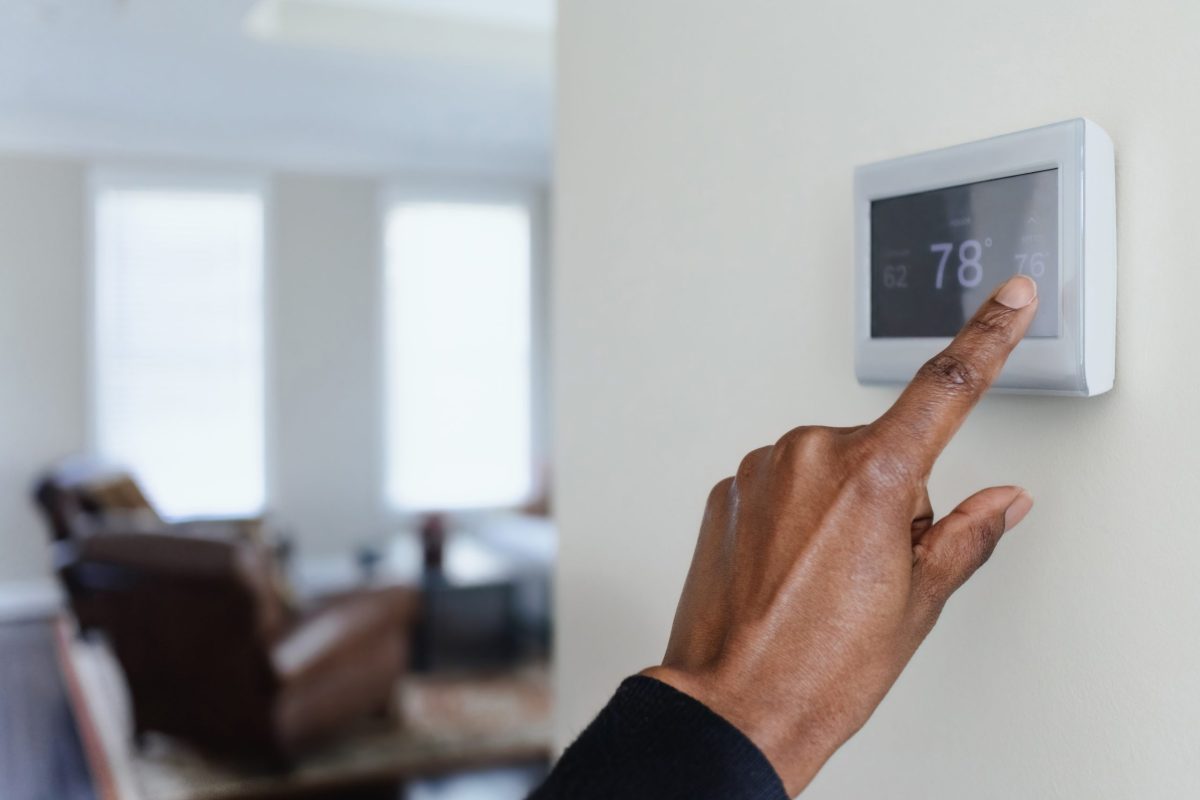
Seal Air Leaks: Identify and seal air leaks around windows, doors, and other openings using weather stripping and caulk. This can significantly reduce drafts and prevent heat loss during the winter and cool air from escaping during the summer. Insulate Your Home: Proper insulation is essential for maintaining a comfortable indoor temperature and reducing energy waste. Insulate attics, walls, and floors to minimize heat transfer. Use Energy-Efficient Light Bulbs: Replace traditional incandescent light bulbs with LED bulbs. LEDs use significantly less energy and last much longer, saving you money on both electricity and replacement costs. Unplug Electronics: Many electronics consume energy even when they are turned off. Unplug chargers, appliances, and other devices when not in use to eliminate "phantom loads." Adjust Your Thermostat:Lower your thermostat in the winter and raise it in the summer to reduce energy consumption. Consider using a programmable thermostat to automatically adjust the temperature based on your schedule.
Energy Rebates and Incentives
Take advantage of energy rebates and incentives offered by utility companies and government agencies. These programs can help you save money on energy-efficient appliances, HVAC systems, and other energy-saving upgrades. Check with your local utility company and the Illinois DCEO for available rebates and incentives. These rebates often cover high-efficiency furnaces, air conditioners, and water heaters.
Exploring Solar Energy Options
Consider installing solar panels to generate your own electricity. Solar energy can significantly reduce your reliance on the grid and lower your monthly energy bills. While the initial investment can be significant, solar panels can provide long-term savings and increase your home's value. Investigate solar energy tips, including government incentives like the federal solar tax credit, which can offset a significant portion of the installation costs.
Home Energy Audits
A home energy audit can help you identify areas where your home is losing energy and provide recommendations for improvement. Many utility companies offer free or low-cost energy audits. An auditor will assess your home's insulation, air leaks, and energy usage to provide personalized recommendations for energy savings.
Home Wellness and Energy Efficiency
Creating an energy-efficient home also contributes to a healthier and more comfortable living environment. By reducing drafts, improving insulation, and ensuring proper ventilation, you can minimize allergens, pollutants, and moisture, creating a safer and healthier indoor environment for you and your family.
Overcoming Challenges in the Application Process
Applying for LIHEAP can sometimes present challenges. Here are some tips for navigating potential obstacles: Start Early: Begin the application process well in advance of the heating season to avoid delays and ensure you receive assistance when you need it most. Keep Records: Maintain copies of all documents you submit with your application. Follow Up: If you haven't heard back from the LIHEAP agency within a reasonable timeframe, follow up to check on the status of your application. Seek Assistance: If you need help with the application process, contact your local LIHEAP agency or a community organization that provides assistance with energy assistance programs.
Additional Resources for Energy Assistance in Rockford
Besides LIHEAP, other resources are available to help Rockford residents with their energy bills: Utility Company Assistance Programs: Many utility companies offer payment plans, budget billing options, and other assistance programs to help customers manage their energy costs. Contact your utility company to learn about available programs. Nonprofit Organizations: Several nonprofit organizations in Rockford provide financial assistance and other support services to low-income families. These organizations may offer emergency assistance for utility bills or other essential needs. Government Programs:Explore other government programs that can help with housing, food, and other expenses. These programs can free up resources to help you pay your energy bills.
By understanding the LIHEAP Rockford application process, exploring energy efficiency tips, and leveraging available resources, you can effectively manage your energy costs and create a more comfortable and affordable home. Remember to stay informed about program updates and deadlines to maximize your access to energy assistance. Taking control of your home's energy usage is an investment in your financial well-being and the environment.