
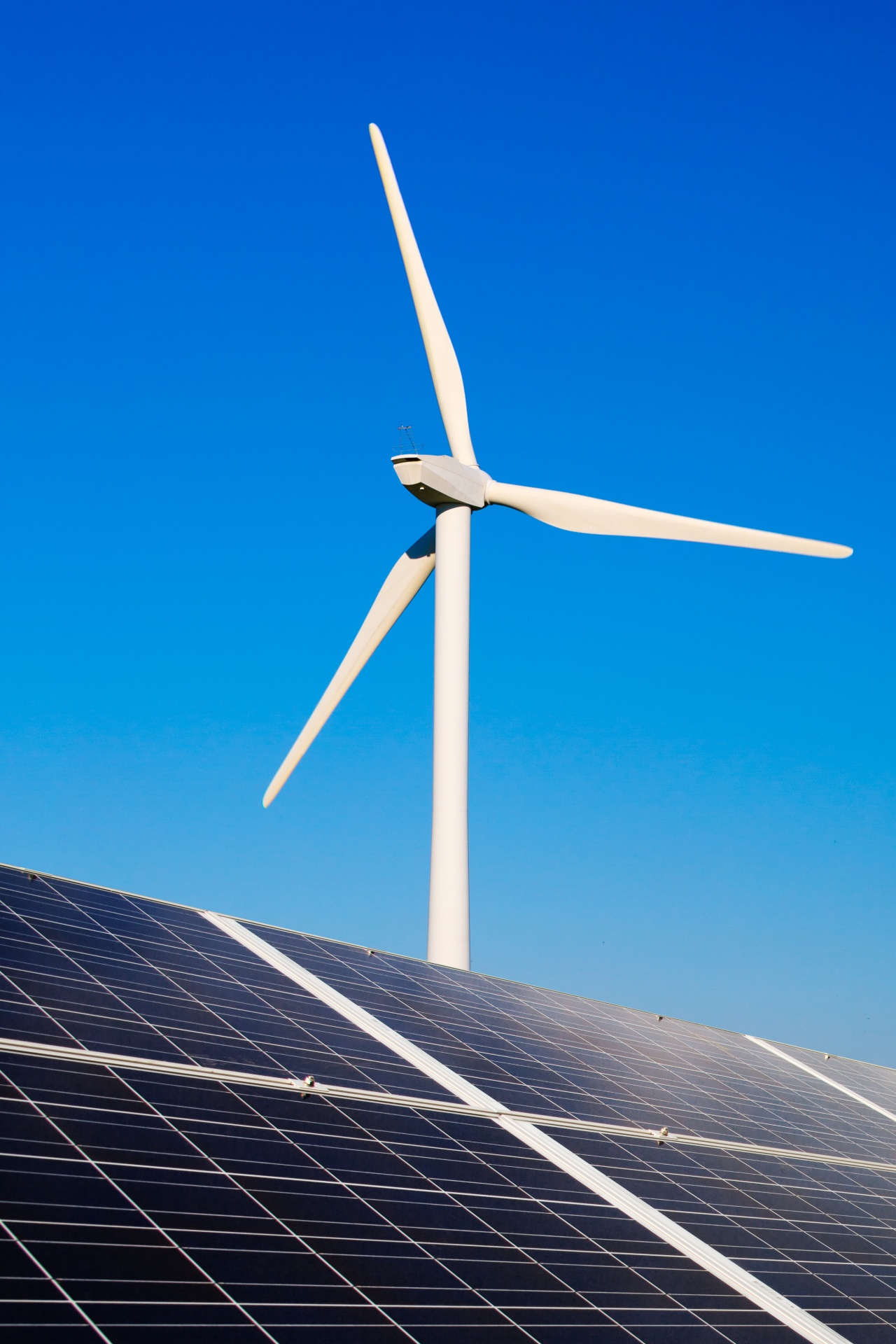
Navigating the complexities of energy bills, especially during harsh Wisconsin winters, can be overwhelming. Fortunately, for Madison residents, there are several energy assistance programs designed to ease the burden and promote energy efficiency. This comprehensive guide will walk you through the available resources, eligibility requirements, and practical tips for managing your energy consumption, ensuring you have a warm and affordable home.
Understanding Energy Assistance Programs in Madison, WI
The landscape of energy assistance in Madison includes a mix of federal, state, and local initiatives. These programs primarily focus on providing financial aid to low-income households and offering resources to reduce energy consumption. Knowing what's available is the first step in securing the support you need.
Low Income Home Energy Assistance Program (LIHEAP)
LIHEAP, also known as the Home Energy Assistance Program (HEAP) in Wisconsin, is a federally funded program that helps eligible households pay for home heating costs. It provides a one-time payment to your utility company to offset your bills.
Eligibility: Eligibility for LIHEAP is primarily based on household income, size, and available resources. The income thresholds are typically updated annually, so it's crucial to check the current guidelines. Factors such as age and disability can also influence eligibility. How to Apply: Applications for LIHEAP are typically accepted in the fall. You can apply through your local county's social services department. Dane County residents can find specific information and application details on the county's human services website. What to Expect:If approved, the LIHEAP benefit will be directly credited to your energy account. The amount of assistance varies based on your income, household size, and energy usage. In emergency situations, such as a disconnection notice, LIHEAP can provide expedited assistance.
Keep Wisconsin Warm/Cool Fund
The Keep Wisconsin Warm/Cool Fund is a statewide non-profit organization that provides emergency energy assistance to households facing disconnection or fuel shortages. It often serves as a safety net for those who don't qualify for LIHEAP or who need additional help beyond LIHEAP benefits.
Eligibility: Eligibility criteria are less strict than LIHEAP, focusing on households facing imminent loss of heating or cooling. Factors considered include income, extenuating circumstances (e.g., medical emergencies, job loss), and previous energy assistance received. How to Apply: Contact the Energy Services, Inc. at 1-800-528-9914. They will assess your situation and determine if you qualify for assistance from the Keep Wisconsin Warm/Cool Fund. What to Expect:If approved, the Fund will work directly with your utility company or fuel provider to prevent disconnection or ensure fuel delivery. The amount of assistance varies depending on individual circumstances.
Wisconsin Home Energy Assistance Program (WHEAP)
WHEAP is Wisconsin's implementation of the federal LIHEAP program. WHEAP provides assistance with heating and electric bills, as well as weatherization services to help residents improve their home's energy efficiency.
Benefits: WHEAP provides financial assistance with your heating and electric bills. Benefit amounts vary based on factors like household size, income, and energy costs. Additionally, WHEAP can help with weatherization services to make your home more energy efficient. Application Process: The application process typically opens in October and runs through May 15th. Applications can be submitted online or through your local county's social services department. Eligibility Requirements:Eligibility is primarily based on household income. However, other factors, such as household size and energy costs, are also considered.
Exploring Energy Efficiency Programs and Rebates
Beyond direct financial assistance, several programs and initiatives in Madison aim to help residents reduce their energy consumption through efficiency upgrades and rebates.
Focus on Energy
Focus on Energy is Wisconsin's statewide energy efficiency and renewable energy program. It offers a wide range of resources, including rebates, incentives, and technical assistance, to help homeowners and businesses reduce their energy use and save money.
Home Performance Program: This program provides homeowners with comprehensive home energy assessments and rebates for energy-efficient upgrades, such as insulation, air sealing, and high-efficiency HVAC systems. Appliance Rebates: Focus on Energy offers rebates on the purchase of qualified energy-efficient appliances, such as refrigerators, washing machines, and dryers. Lighting Incentives: Rebates are available for upgrading to energy-efficient lighting, such as LED bulbs. How to Get Started: Visit the Focus on Energy website to learn more about available programs and rebates. You can also contact their customer service line for personalized assistance.
Madison Gas and Electric (MGE) Programs
MGE, the primary utility provider in Madison, offers various programs to help customers manage their energy consumption and save money.
Home Energy Audits: MGE provides home energy audits to help customers identify areas where they can improve energy efficiency. Energy Efficiency Rebates: MGE offers rebates on the purchase of energy-efficient appliances and equipment, such as furnaces, air conditioners, and water heaters. Time-of-Use Rates: Consider switching to a time-of-use rate plan, where electricity costs less during off-peak hours. This can significantly reduce your bill if you can shift your energy usage to evenings and weekends. Renewable Energy Options: MGE offers options for customers to support renewable energy, such as wind and solar power.
Solar Energy Initiatives
Madison is committed to promoting solar energy as a clean and sustainable energy source. Several programs and incentives are available to encourage homeowners and businesses to install solar panels.
Net Metering: MGE offers net metering, which allows customers with solar panels to receive credit on their bills for excess electricity they send back to the grid. Federal Tax Credit: The federal government offers a tax credit for a percentage of the cost of installing solar panels. Solar Group Buys:Participating in a solar group buy program can help you save money on the cost of solar panel installation through bulk purchasing discounts.
DIY Energy Efficiency Tips for Madison Homes
While energy assistance programs and rebates can provide significant support, there are also many simple and affordable steps you can take to improve your home's energy efficiency and reduce your energy bills.
Weatherization Basics
Seal Air Leaks: Use caulk and weather stripping to seal air leaks around windows, doors, and other openings. This simple step can significantly reduce drafts and heat loss. Insulate: Ensure your attic and walls are properly insulated. Adequate insulation helps keep your home warm in the winter and cool in the summer, reducing your reliance on heating and cooling systems. Window Treatments:Use curtains, blinds, or shades to block sunlight during the summer and retain heat during the winter.
Heating and Cooling Optimization
Programmable Thermostat: Install a programmable thermostat to automatically adjust your home's temperature based on your schedule. Furnace Maintenance: Schedule regular maintenance for your furnace to ensure it's operating efficiently. Replace the air filter regularly to improve airflow. Air Conditioner Maintenance:Clean or replace your air conditioner's filter regularly. Consider having a professional tune-up to ensure optimal performance.
Water Heating Efficiency
Insulate Your Water Heater: Wrap your water heater with an insulation blanket to reduce heat loss. Lower Water Heater Temperature: Set your water heater temperature to 120°F to save energy and prevent scalding. Low-Flow Showerheads and Faucets:Install low-flow showerheads and faucets to reduce water consumption and save energy.
Lighting and Appliance Usage
Switch to LED Lighting: Replace incandescent light bulbs with energy-efficient LED bulbs. LEDs use significantly less energy and last much longer. Unplug Electronics: Unplug electronics and appliances when not in use to eliminate phantom energy drain. Energy-Efficient Appliances:When it's time to replace appliances, choose energy-efficient models that are ENERGY STAR certified.
Home Wellness and Safe Energy Practices
Beyond saving money, energy efficiency also contributes to a healthier and safer home environment.
Reducing Negative Energy
Some believe that decluttering and improving the flow of energy in your home can positively impact your well-being. Ensure your home is well-ventilated, and consider using natural light and plants to create a more positive atmosphere.
Carbon Monoxide Safety
Install Carbon Monoxide Detectors: Install carbon monoxide detectors on every level of your home, especially near sleeping areas. Regular Inspections: Have your heating system, water heater, and other fuel-burning appliances inspected annually to ensure they are operating safely.
Preventing Energy Waste
Home Energy Audits: Conduct regular home energy audits to identify areas where you can reduce energy waste. Monitor Energy Usage: Track your energy usage patterns to identify opportunities for savings. Many utility companies provide online tools for monitoring your energy consumption.
Navigating Energy Assistance Application Processes
Applying for energy assistance can sometimes feel complex, but with the right information and preparation, you can navigate the process smoothly.
Gathering Required Documentation
Before you begin your application, gather all the necessary documentation, such as:
Proof of income (pay stubs, tax returns)
Proof of residency (utility bill, lease agreement)
Social Security numbers for all household members
Utility account information
Understanding Application Deadlines
Be aware of application deadlines for each program. LIHEAP applications are typically accepted in the fall, while other programs may have different deadlines throughout the year.
Contacting Customer Service
If you have any questions or need assistance with the application process, don't hesitate to contact the customer service departments of the relevant programs or utility companies. They can provide valuable guidance and support.
Staying Informed and Engaged
The energy landscape is constantly evolving, with new programs, rebates, and technologies emerging regularly. Stay informed about the latest developments by: Subscribing to Newsletters: Sign up for email newsletters from Focus on Energy, MGE, and other relevant organizations. Attending Workshops and Events: Participate in energy efficiency workshops and events to learn about new technologies and best practices. Visiting Online Resources:Regularly check the websites of energy assistance programs and utility companies for updates and announcements.
By taking advantage of the available energy assistance programs, implementing energy efficiency measures, and staying informed about the latest developments, Madison residents can create more affordable, comfortable, and sustainable homes. Don't hesitate to reach out to the resources mentioned in this guide for personalized assistance and support. With proactive planning and informed decision-making, you can take control of your energy consumption and create a brighter, more energy-efficient future for yourself and your community.