
Building a new home is a significant investment, and ensuring it's energy efficient from the ground up can save you money and reduce your environmental footprint for years to come. This comprehensive guide provides practical tips and advice for incorporating energy-efficient features into your home construction, covering everything from insulation and HVAC systems to renewable energy options and financial assistance programs. Let's explore how to build a home that's both comfortable and sustainable.
The Importance of Energy-Efficient Home Construction
Energy-efficient construction goes beyond just lowering your utility bills. It also enhances indoor air quality, increases home comfort, and contributes to a healthier planet. By making informed choices during the construction phase, you can create a living space that's both eco-friendly and economically sound. Furthermore, a well-constructed, energy-efficient home often has a higher resale value, making it a smart long-term investment.
Insulation: The First Line of Defense
Proper insulation is crucial for maintaining a consistent temperature inside your home, reducing the need for excessive heating or cooling. Consider these insulation strategies: Wall Insulation: Opt for high-R-value insulation materials like fiberglass, cellulose, or spray foam. Ensure that the insulation is properly installed to avoid gaps or compression, which can reduce its effectiveness. Different climate zones require varying R-values, so consult with a building professional to determine the optimal insulation for your area. Attic Insulation: Heat rises, making attic insulation particularly important. Aim for an R-value of R-49 or higher in colder climates. Consider using blown-in cellulose or fiberglass for easy installation and effective coverage. Foundation Insulation: Insulating the foundation can prevent heat loss through the basement walls or crawl space. Rigid foam insulation is a popular choice for this application, as it is resistant to moisture and can be easily installed. Air Sealing: Before insulating, seal any cracks, gaps, or penetrations in the building envelope. This includes sealing around windows, doors, pipes, and electrical wiring. Air sealing prevents drafts and reduces energy waste. Caulk, weather stripping, and expanding foam can be used for effective air sealing.
Energy-Efficient Windows and Doors
Windows and doors are often significant sources of heat loss or gain. Choose energy-efficient models to minimize energy waste: Low-E Windows: Low-emissivity (Low-E) windows have a special coating that reflects heat, keeping your home cooler in the summer and warmer in the winter. Look for windows with a low U-factor (measures heat transfer) and a high Solar Heat Gain Coefficient (SHGC) in cooler climates. Double- or Triple-Pane Windows: These windows have multiple layers of glass with gas-filled spaces between them, providing better insulation than single-pane windows. ENERGY STAR Certified Windows: ENERGY STAR certified windows meet specific energy efficiency criteria and can significantly reduce your energy bills. Check the ENERGY STAR website for a list of certified products. Weather Stripping and Door Sweeps: Install weather stripping around doors and windows to prevent drafts. Use door sweeps at the bottom of exterior doors to seal gaps and prevent air leakage.
HVAC Systems: Efficiency and Maintenance
Your heating, ventilation, and air conditioning (HVAC) system is a major energy consumer. Choosing an efficient system and maintaining it properly is essential for energy savings.
High-Efficiency Furnaces and Air Conditioners: Look for furnaces with a high Annual Fuel Utilization Efficiency (AFUE) rating and air conditioners with a high Seasonal Energy Efficiency Ratio (SEER) rating. ENERGY STAR certified models offer even greater energy savings. Heat Pumps: Heat pumps are an efficient alternative to traditional furnaces and air conditioners. They transfer heat rather than generating it, making them more energy-efficient. Geothermal heat pumps are even more efficient, using the earth's constant temperature to heat and cool your home. They also often qualify for HVAC tax credits. Duct Sealing: Leaky ducts can waste a significant amount of energy. Have your ducts inspected and sealed to prevent air leakage. Duct sealing can improve the efficiency of your HVAC system by as much as 20%. Regular Maintenance: Schedule regular maintenance for your HVAC system, including cleaning or replacing filters, inspecting and cleaning coils, and checking refrigerant levels. Proper maintenance ensures that your system is running efficiently and extends its lifespan. Smart Thermostats:Install a smart thermostat to automatically adjust the temperature based on your schedule and preferences. Smart thermostats can learn your habits and optimize energy usage, saving you money on your utility bills. Many models can be controlled remotely via smartphone.
Renewable Energy Options
Incorporating renewable energy sources into your home construction can further reduce your reliance on fossil fuels and lower your energy costs.
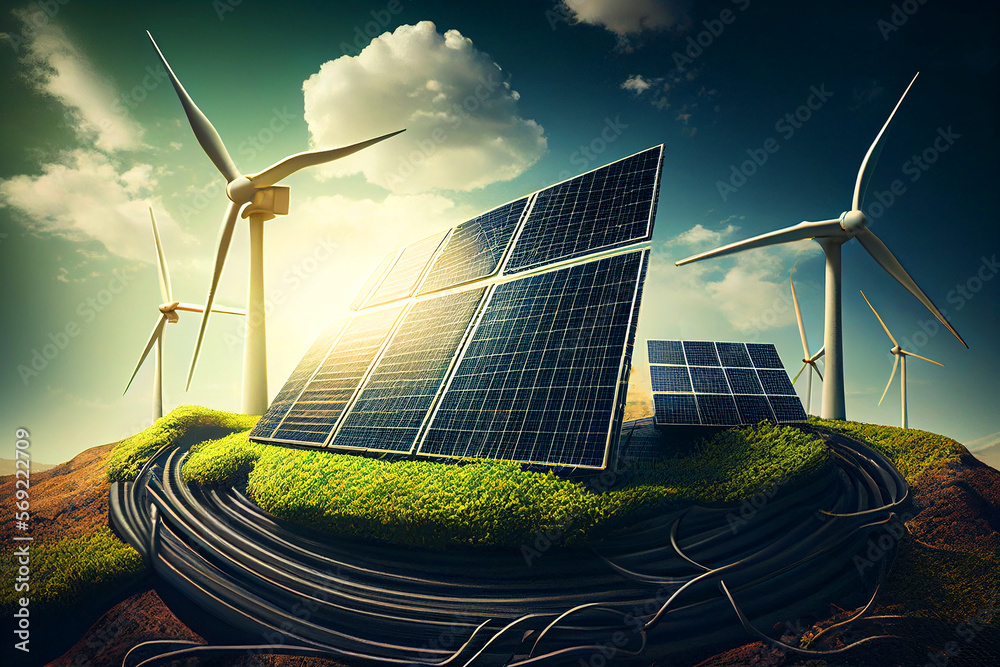
Solar Panels: Solar photovoltaic (PV) panels convert sunlight into electricity. Consider installing solar panels on your roof or in your yard to generate your own power. Many states and utility companies offer solar energy tips and incentives, such as tax credits and rebates, to encourage solar panel adoption. There are also various solar energy programs to explore. Solar Water Heaters: Solar water heaters use sunlight to heat water for domestic use. They can significantly reduce your water heating costs and are a sustainable alternative to traditional water heaters. Wind Turbines:Small wind turbines can generate electricity for your home, especially in areas with consistent winds. Consider installing a wind turbine if you live in a rural area with favorable wind conditions.
Water Heating Efficiency
Water heating is another major energy expense. Consider these strategies to reduce water heating costs: Tankless Water Heaters: Tankless water heaters heat water on demand, eliminating the standby heat losses associated with traditional tank water heaters. They can save you money on your utility bills and provide a continuous supply of hot water. Insulated Water Heater Tank: If you have a traditional tank water heater, insulate it with a water heater blanket to reduce heat loss. Low-Flow Showerheads and Faucets: Install low-flow showerheads and faucets to reduce water consumption without sacrificing water pressure. Look for Water Sense-certified products, which meet EPA criteria for water efficiency. Pipe Insulation: Insulate hot water pipes to prevent heat loss as water travels from the water heater to your fixtures.
Energy-Efficient Lighting
Switching to energy-efficient lighting can significantly reduce your electricity consumption.
LED Lighting: Light-emitting diode (LED) bulbs use up to 75% less energy than incandescent bulbs and last much longer. Replace your incandescent bulbs with LEDs to save energy and reduce your lighting costs. Daylighting: Design your home to maximize natural daylight. Install large windows and skylights to bring natural light into your living spaces. Use light-colored walls and ceilings to reflect daylight and reduce the need for artificial lighting. Occupancy Sensors:Install occupancy sensors in rooms that are not frequently used, such as closets and bathrooms. Occupancy sensors automatically turn lights on when someone enters the room and off when they leave, saving energy and reducing waste.
Smart Home Technology
Smart home technology can help you monitor and control your energy usage, making it easier to save money and reduce your environmental impact.
Energy Monitoring Systems: Install an energy monitoring system to track your energy consumption in real-time. These systems provide valuable insights into your energy usage patterns and can help you identify areas where you can save energy. Smart Plugs: Use smart plugs to control the power to electronic devices and appliances. Smart plugs can be programmed to turn off automatically when devices are not in use, preventing standby power consumption. Smart Appliances:Choose ENERGY STAR certified smart appliances, such as refrigerators, washing machines, and dishwashers. These appliances are designed to use less energy and can be controlled remotely via smartphone.
Financial Assistance and Rebates
Many federal, state, and local programs offer financial assistance and rebates for energy-efficient home improvements. Explore these options to help offset the cost of energy-efficient construction.
LIHEAP (Low Income Home Energy Assistance Program): LIHEAP provides financial assistance to low-income households to help them pay their heating and cooling bills. Check your state's LIHEAP website for eligibility requirements and application information. HEAP (Home Energy Assistance Program): Similar to LIHEAP, HEAP offers bill assistance programs to help eligible households manage their energy costs. Energy Rebates: Many utility companies offer energy rebates for purchasing energy-efficient appliances, installing insulation, and making other energy-efficient home improvements. Check with your local utility company for available rebates. Tax Credits: The federal government offers tax credits for certain energy-efficient home improvements, such as installing solar panels or energy-efficient windows. Consult with a tax professional to determine which tax credits you may be eligible for. You may be able to find HVAC tax credits, too.
DIY Energy Efficiency Tips
Even small changes can make a big difference in your home's energy efficiency. Here are some DIY energy efficiency tips you can implement: Seal Air Leaks: Use caulk and weather stripping to seal air leaks around windows, doors, and other openings. Install Low-Flow Showerheads: Replace your old showerheads with low-flow models to reduce water consumption. Wrap Water Pipes: Insulate hot water pipes to prevent heat loss. Clean or Replace Air Filters: Regularly clean or replace the air filters in your HVAC system to ensure optimal performance. Unplug Electronics:Unplug electronic devices and appliances when they are not in use to prevent standby power consumption.
Building a Sustainable Future
Energy-efficient home construction is an investment in your future and the future of the planet. By incorporating these tips and strategies into your home construction project, you can create a comfortable, sustainable, and energy-efficient living space. Remember to explore all available financial assistance and rebate programs to help offset the cost of energy-efficient improvements, and don't hesitate to consult with energy professionals for personalized advice and guidance. Taking these steps can significantly reduce your utility bills and contribute to a healthier environment.