
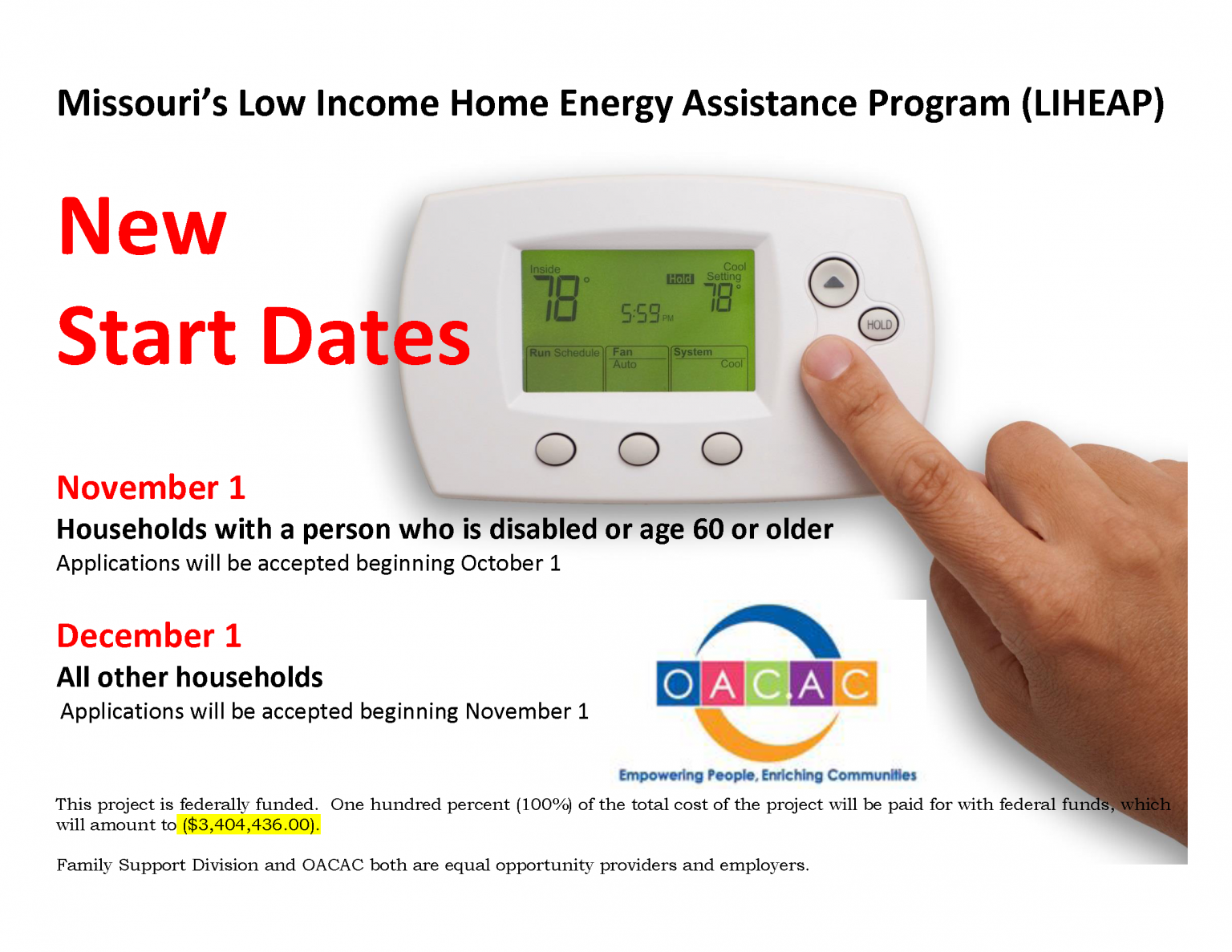
Navigating the application process for the Low Income Home Energy Assistance Program (LIHEAP) in South Carolina can seem daunting, but this guide breaks it down into manageable steps. LIHEAP, also sometimes referred to as HEAP in other states, is a federally funded program designed to help low-income households with their home energy bills. Whether you're struggling to afford heating during the cold winter months or need assistance keeping your home cool in the scorching summer heat, LIHEAP offers a vital lifeline. This comprehensive guide will walk you through eligibility requirements, the application process itself, required documentation, and alternative resources to ensure you have the best chance of receiving the utility bill assistance you need.
Understanding LIHEAP in South Carolina
LIHEAP is more than just a financial handout; it's a crucial safety net that helps vulnerable populations, including seniors, families with young children, and individuals with disabilities, maintain a safe and healthy living environment. In South Carolina, the program is administered by the Department of Social Services (DSS). Understanding the purpose of the program is the first step in accessing its benefits. LIHEAP aims to ease the burden of high energy costs, preventing families from having to choose between paying their utility bills and other essential needs like food and medicine.
Eligibility Requirements for LIHEAP in South Carolina
Before you begin the application process, it's essential to determine if you meet the eligibility requirements for LIHEAP in South Carolina. These requirements typically center around income limits, household size, and residency.
Income Limits: LIHEAP uses a percentage of the Federal Poverty Level (FPL) to determine income eligibility. These income limits vary based on household size. You can typically find the current income guidelines on the South Carolina Department of Social Services website. For example, in recent years, the income limit has been set around 150% of the federal poverty level. Keep in mind that these limits are subject to change each year.
Residency: You must be a resident of South Carolina to be eligible for LIHEAP benefits.
Household Composition: LIHEAP considers all individuals living in the household when determining eligibility.
Responsibility for Home Energy Costs: You must be responsible for paying home energy costs, either directly to a utility company or indirectly as part of rent.
U.S. Citizenship or Qualified Alien Status: Applicants must be U.S. citizens or qualified aliens.
Meeting these basic requirements is crucial. If you aren't sure whether your household meets the income criteria, it's always best to apply. DSS will make the final determination based on the information you provide.
The LIHEAP Application Process: A Step-by-Step Guide
Applying for LIHEAP in South Carolina involves several key steps. Here's a detailed breakdown to guide you through the process:
1.Gather Necessary Documents: Before you start the application, gather all the required documentation. This typically includes: Proof of income for all household members (e.g., pay stubs, Social Security statements, unemployment benefits statements).
Social Security cards for all household members.
A copy of your most recent energy bill.
Proof of South Carolina residency (e.g., driver's license, lease agreement).
If applicable, proof of citizenship or qualified alien status.
2.Choose Your Application Method: In South Carolina, you can typically apply for LIHEAP through one of two methods: Online:The South Carolina Department of Social Services often provides an online application portal. This is generally the fastest and most convenient method.
In-Person: You can visit your local DSS office to complete a paper application. Find the nearest DSS office by visiting the DSS website or calling their information hotline.
3.Complete the Application: Whether you're applying online or using a paper application, ensure you fill out all sections accurately and completely. Double-check your information before submitting to avoid delays or denials. Provide detailed explanations if needed.
4.Submit Your Application: If applying online, follow the instructions on the website to submit your application electronically. If applying in person, submit your completed application and all required documents to the DSS office.
5.Follow Up: After submitting your application, it's a good idea to follow up with DSS to confirm they received it and to inquire about the processing timeframe. You can usually do this by phone or email. Keep a record of your application confirmation and any communication with DSS.
Required Documentation: Ensuring a Smooth Application
Having the correct documentation is critical to a successful LIHEAP application. Here's a more detailed look at the types of documents you may need: Proof of Income:This is arguably the most important documentation. Acceptable forms of proof include: Pay stubs for the past 30 days
Social Security benefit statements (SSA-1099)
Unemployment benefit statements
Pension statements
Veterans benefits statements
Self-employment income records (e.g., tax returns, business ledgers) Identification:You'll need to provide identification for all household members. This can include: Social Security cards
Driver's licenses
State-issued identification cards
Birth certificates Energy Bill: Your most recent energy bill is essential. It should include your name, address, account number, and the amount due. If your energy costs are included in your rent, you'll need to provide documentation from your landlord. Proof of Residency: This can be a driver's license, a lease agreement, a utility bill in your name, or any other document that verifies your South Carolina address. Citizenship or Qualified Alien Status:If you are not a U.S. citizen, you must provide documentation of your qualified alien status.
Understanding LIHEAP Benefit Levels and Payment Options
The amount of LIHEAP assistance you receive will depend on several factors, including your income level, household size, energy costs, and the availability of funds. LIHEAP benefit levels vary each year.
Benefit Determination: DSS uses a formula to calculate your benefit amount, taking into account the factors mentioned above. The goal is to provide a level of assistance that will significantly reduce your energy burden. Payment Methods: LIHEAP benefits are typically paid directly to your utility company. This ensures that the funds are used specifically for energy costs. In some cases, if your energy costs are included in your rent, the benefit may be paid directly to your landlord. DSS will notify you and your utility company of the benefit amount.
What To Do If Your LIHEAP Application Is Denied
If your LIHEAP application is denied, you have the right to appeal the decision. The denial notice you receive from DSS will explain the reason for the denial and provide instructions on how to file an appeal.
Review the Denial Notice: Carefully review the denial notice to understand the reason for the denial. Common reasons include exceeding income limits, incomplete application information, or failure to provide required documentation. Gather Supporting Documentation: If you believe the denial was made in error, gather any additional documentation that supports your case. For example, if you were denied due to income, you might provide updated pay stubs showing a recent decrease in income. File an Appeal: Follow the instructions in the denial notice to file an appeal. This usually involves submitting a written request for a hearing within a specified timeframe. Attend the Hearing: If your appeal is granted a hearing, be prepared to present your case and provide supporting documentation. You have the right to bring a representative with you to the hearing.
Beyond LIHEAP: Additional Energy Assistance and Savings Programs
While LIHEAP is a valuable resource, it's not the only option for energy assistance and energy savings. Several other programs and strategies can help you manage your energy costs: Weatherization Assistance Program (WAP): WAP provides free energy efficiency upgrades to low-income households. These upgrades can include insulation, weather stripping, and HVAC repairs. Contact your local community action agency to learn more about WAP eligibility and services. Utility Company Assistance Programs: Many utility companies offer their own assistance programs for low-income customers. These programs may include payment plans, budget billing, and energy efficiency rebates. Contact your utility company to inquire about available programs. Energy Efficiency Rebates: Both state and federal governments offer energy efficiency rebates for purchasing energy-efficient appliances, installing solar panels, or making other energy-saving home improvements. Check the ENERGY STAR website and the Database of State Incentives for Renewables & Efficiency (DSIRE) for available rebates in South Carolina. Home Energy Audits: A home energy audit can help you identify areas where you're losing energy and recommend cost-effective solutions. Some utility companies offer free or discounted home energy audits. DIY Energy Efficiency Measures:There are many simple and affordable steps you can take to improve your home's energy efficiency, such as sealing air leaks around windows and doors, installing a programmable thermostat, and switching to LED light bulbs.
Practical DIY Tips for Energy Efficiency at Home
Even small changes can lead to significant energy savings. Here are some practical DIY tips to help you reduce your energy consumption: Seal Air Leaks: Use caulk and weather stripping to seal air leaks around windows, doors, and other openings. This can prevent drafts and reduce heat loss in the winter and heat gain in the summer. Insulate Your Home: Proper insulation is essential for maintaining a comfortable temperature and reducing energy costs. Add insulation to your attic, walls, and floors to improve your home's energy efficiency. Install a Programmable Thermostat: A programmable thermostat allows you to set different temperatures for different times of the day, so you're not heating or cooling your home when you're not there. Switch to LED Lighting: LED light bulbs use up to 75% less energy than incandescent bulbs and last much longer. Unplug Electronics: Many electronics continue to draw power even when they're turned off. Unplug electronics when you're not using them to save energy. Use Energy-Efficient Appliances: When it's time to replace your appliances, choose ENERGY STAR-certified models. These appliances are designed to use less energy than standard models. Maintain Your HVAC System: Regular maintenance, such as cleaning or replacing air filters, ensures that your HVAC system is running efficiently. Consider Solar Energy: Look into the possibility of solar panels. While the initial investment can be significant, various financing options and government incentives can make solar energy more accessible. Solar energy tips abound online, and some communities host workshops to help homeowners evaluate the pros and cons for their unique situations.
Staying Safe and Warm in Winter: Emergency Heating Options
During the winter months, it's crucial to have a plan in place in case your heating system fails or you're unable to afford your energy bills. Here are some emergency heating options to consider: Contact LIHEAP: If you're facing a heating emergency, contact DSS immediately to see if they can expedite your LIHEAP application. Emergency Shelters: Many communities have emergency shelters that provide temporary housing during extreme weather events. Contact your local Red Cross chapter or United Way to find a shelter near you. Space Heaters: Use space heaters with caution. Keep them away from flammable materials and never leave them unattended. Dress Warmly: Wear layers of warm clothing to help your body retain heat. Conserve Heat:Close off unused rooms and cover windows with blankets or plastic to conserve heat.
Keeping Cool in Summer: Affordable Cooling Solutions
Summer heat can be just as dangerous as winter cold. Here are some affordable cooling solutions to help you stay comfortable without breaking the bank: Fans: Fans are a cost-effective way to circulate air and create a cooling breeze. Window Coverings: Close your curtains or blinds during the day to block out the sun and prevent your home from overheating. Evaporative Coolers: Evaporative coolers, also known as swamp coolers, use evaporation to cool the air. They're most effective in dry climates. Stay Hydrated: Drink plenty of water to stay hydrated and prevent heat exhaustion. Visit Cooling Centers:Many communities have cooling centers that provide a safe and comfortable place to escape the heat. Contact your local government or community organizations to find a cooling center near you.
Conclusion: Taking Control of Your Energy Costs
Navigating the LIHEAP application process in South Carolina requires careful preparation and attention to detail. By understanding the eligibility requirements, gathering the necessary documentation, and following the steps outlined in this guide, you can increase your chances of receiving the assistance you need. Remember to explore additional energy assistance programs and implement DIY energy efficiency measures to further reduce your energy costs. By taking proactive steps to manage your energy consumption, you can create a more comfortable and affordable home for yourself and your family. South Carolina offers multiple avenues for energy bill relief; taking the time to explore your options and apply strategically can make a significant difference in your household budget.