
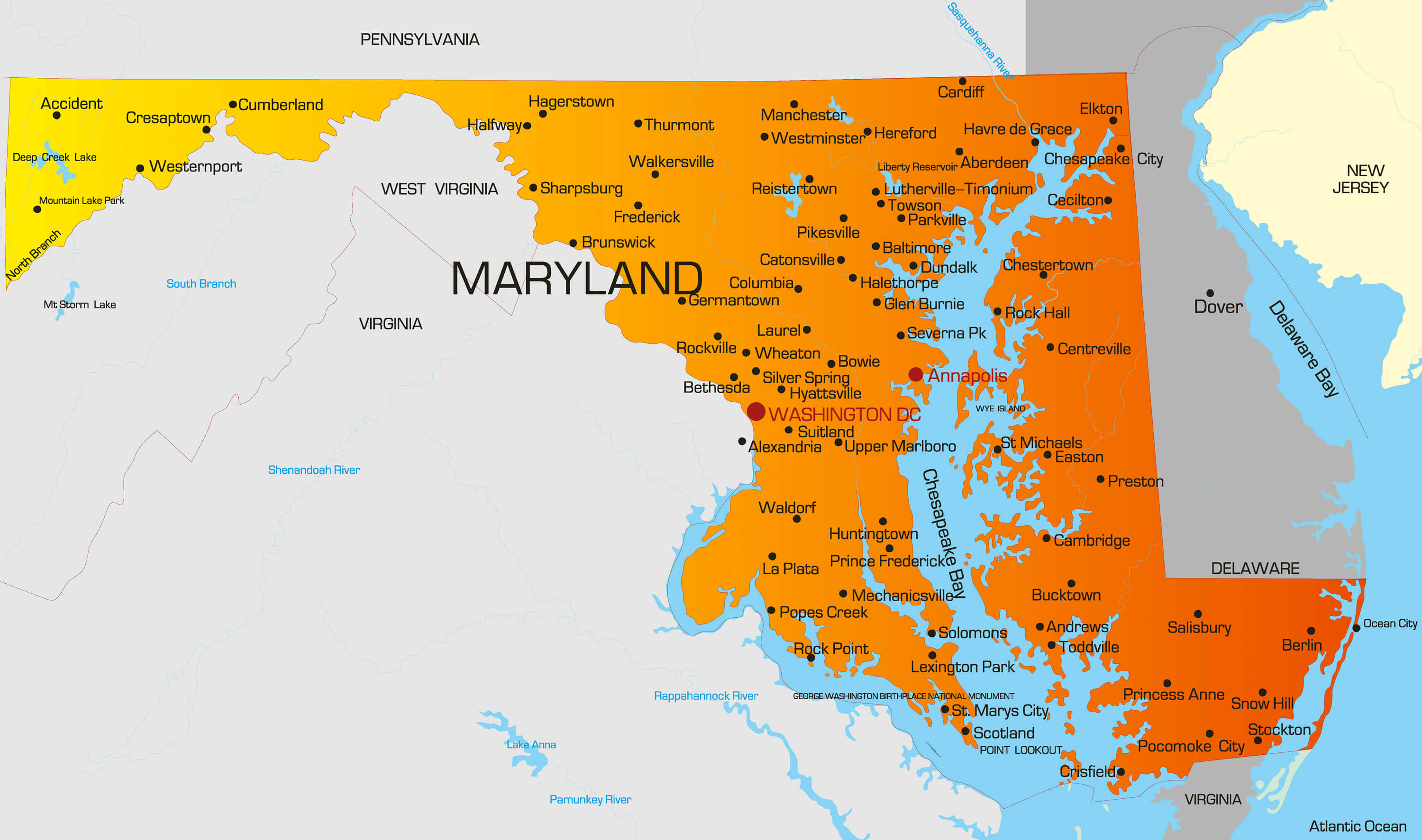
Navigating the world of energy assistance programs can feel overwhelming, especially when you're waiting to hear about your application status. In Maryland, understanding how to track your application for assistance with utility bills, home heating, and other energy-related expenses is key to accessing vital support. This comprehensive guide breaks down the process, offering clarity and practical steps to help you stay informed every step of the way.
Understanding Maryland's Energy Assistance Programs
Maryland offers several programs designed to help low-income households manage their energy costs. These programs typically fall under the umbrella of the Low Income Home Energy Assistance Program (LIHEAP), often referred to as the Maryland Energy Assistance Program (MEAP). Before diving into application status checks, it's crucial to understand the types of assistance available: MEAP (Maryland Energy Assistance Program):This program provides financial assistance to help with heating bills during the winter months. Eligibility is based on household income and size.
Electric Universal Service Program (EUSP): EUSP helps low-income customers pay their electric bills. It offers a fixed percentage reduction on your monthly bill, making electricity more affordable.
Arrearage Retirement Assistance (ARA): This program can help you pay off past-due energy bills if you meet certain income requirements and have a payment plan with your utility company.
Emergency Assistance: In crisis situations, such as a utility shut-off notice, emergency assistance may be available to prevent disconnection or restore service.
These programs work together to offer a safety net for Maryland residents struggling to afford essential energy services. Understanding which program best suits your needs is the first step in the application process. Remember that these programs often have overlapping eligibility requirements, and applying for one program may automatically qualify you for others. Don't hesitate to explore all available options.
Applying for Energy Assistance in Maryland
The application process for energy assistance in Maryland is generally straightforward, although it requires careful attention to detail. Here’s a step-by-step overview:
1.Gather Required Documents: Before you begin, collect all necessary documentation. This typically includes: Proof of income for all household members (pay stubs, Social Security statements, etc.)
Social Security numbers for all household members
Copies of recent utility bills
Proof of residency (lease agreement, mortgage statement, etc.)
Photo identification
2.Complete the Application: You can apply online through the Maryland Department of Human Services website or download a paper application. Paper applications can be submitted by mail or in person at your local Department of Social Services (DSS) office.
3.Submit Your Application: Ensure all sections are completed accurately and all required documents are attached. Incomplete applications can cause delays in processing.
4.Attend an Interview (If Required): In some cases, you may be required to attend an interview with a case worker at your local DSS office. Be prepared to answer questions about your household income, expenses, and energy needs.
5.Wait for Notification: After submitting your application, you will need to wait for a decision. The processing time can vary depending on the volume of applications received and the complexity of your case. This is where understanding how to check your application status becomes essential.
Checking Your Maryland Energy Assistance Application Status
Once you've submitted your application, you'll naturally want to know its status. Maryland offers several ways to track your application: Online Portal:The easiest way to check your application status is through the Maryland Department of Human Services online portal. You'll need to create an account or log in to an existing account. Once logged in, you can view the status of your application, any pending actions required from you, and any notifications related to your case.
Phone: You can call your local Department of Social Services (DSS) office to inquire about your application status. Be prepared to provide your name, Social Security number, and date of birth for verification purposes. Contact information for your local DSS office can be found on the Maryland Department of Human Services website.
In Person: You can visit your local DSS office in person to inquire about your application status. Again, be prepared to provide identification and other identifying information.
Mail: While not the most efficient method, you can send a written inquiry to your local DSS office requesting an update on your application status. Include your name, address, Social Security number, and date of birth in your letter.
When checking your application status, be patient and polite. Caseworkers are often handling a high volume of inquiries. Having your information readily available and clearly stating your request will help expedite the process.
Understanding Application Status Updates
The online portal or your caseworker might provide different status updates. Here's what they typically mean: Received:Your application has been received and is awaiting review.
In Review: Your application is being reviewed by a caseworker.
Pending Information: Additional information or documentation is required from you. This is a critical stage where you must respond promptly to avoid delays or denial.
Approved: Your application has been approved, and you will receive assistance. The notification will likely detail the amount of assistance, the programs you are enrolled in, and how the assistance will be applied to your energy bills.
Denied: Your application has been denied. The notification will explain the reason for the denial. You have the right to appeal the decision if you believe it was made in error.
Appealing a Denied Application
If your application is denied, you have the right to appeal the decision. The notification of denial will include instructions on how to file an appeal. Generally, you will need to submit a written appeal to your local DSS office within a specified timeframe (usually 30 days).
Your appeal should clearly state the reasons why you believe the denial was incorrect. Include any additional documentation that supports your claim. You may be given the opportunity to attend a hearing to present your case in person.
Beyond Energy Assistance: Energy Efficiency and Savings
While energy assistance programs provide crucial financial support, it's also wise to explore ways to reduce your energy consumption and lower your bills. Maryland offers several resources to help residents improve their home energy efficiency.
Home Energy Audits: A home energy audit can identify areas where your home is losing energy. Auditors assess insulation levels, air leaks, heating and cooling systems, and appliance efficiency. Many utility companies offer subsidized or free energy audits for their customers.
Energy Efficiency Rebates: Maryland offers rebates for purchasing energy-efficient appliances, such as refrigerators, washing machines, and air conditioners. Rebates are also available for installing energy-efficient heating and cooling systems, like heat pumps. Check the websites of your local utility companies and the Maryland Energy Administration for available rebates.
DIY Energy Efficiency Tips: Simple DIY projects can make a big difference in your energy consumption.
Seal Air Leaks: Use caulk and weather stripping to seal air leaks around windows, doors, and pipes.
Insulate: Add insulation to attics, walls, and basements to reduce heat loss in the winter and heat gain in the summer.
Change Air Filters: Regularly replace air filters in your furnace and air conditioner to improve efficiency.
Use Energy-Efficient Lighting: Replace incandescent light bulbs with LED bulbs, which use significantly less energy and last longer.
Unplug Electronics: Unplug electronics when not in use, as they can still draw power in standby mode (phantom load).
Solar Energy Options: Maryland has incentives for homeowners who install solar panels. Solar energy can significantly reduce your reliance on traditional energy sources and lower your electricity bills. Consider exploring solar energy options and available tax credits or rebates.
By combining energy assistance programs with energy efficiency measures, you can create a more sustainable and affordable home energy strategy. Look into the various renewable energy options available, and don't hesitate to contact energy professionals for advice on improving your home’s overall energy profile.
Staying Safe and Warm During Winter
Winter can be a particularly challenging time for low-income families, especially when it comes to heating costs. It's important to have a plan for staying safe and warm during the winter months.
Emergency Heating Options: If you are at risk of losing your heat, explore emergency heating options. Contact your local DSS office or a community organization for assistance.
Winterizing Your Home: Prepare your home for winter by taking steps to prevent heat loss. Insulate pipes to prevent freezing, seal windows and doors, and have your furnace inspected and tuned up.
Safe Heating Practices: Never use a stove or oven to heat your home, as this can create a fire hazard and carbon monoxide poisoning. Ensure that space heaters are used safely and are kept away from flammable materials. Install carbon monoxide detectors in your home and check them regularly.
Additional Resources and Support
Navigating energy assistance programs and energy efficiency measures can be complex. Don't hesitate to seek help from the following resources: Maryland Department of Human Services:The Maryland Department of Human Services website provides information on energy assistance programs, eligibility requirements, and how to apply.
Local Department of Social Services (DSS) Offices: Your local DSS office can provide personalized assistance with your energy assistance application and answer any questions you may have.
Utility Companies: Many utility companies offer assistance programs and energy efficiency tips for their customers. Contact your utility company to learn more.
Nonprofit Organizations: Numerous nonprofit organizations in Maryland offer assistance with energy bills and other essential needs. Contact your local United Way or search online for community resources.
Accessing energy assistance and adopting energy-efficient practices can significantly improve your financial stability and overall well-being. By understanding the available programs, tracking your application status, and taking steps to reduce your energy consumption, you can create a more comfortable and sustainable home environment. Always prioritize safety and seek assistance when needed. Take advantage of available fuel assistance checks and consider enrolling in energy-saving plans to maximize your savings potential.