
Navigating the world of utility bills can feel overwhelming, especially when trying to balance household budgets. Thankfully, paying your electric bill doesn't have to be a source of stress. This comprehensive guide provides a step-by-step approach to paying your electricity service online, explores various payment options, and dives into valuable resources like utility bill assistance programs, energy efficiency incentives, and DIY energy-saving tips to help you manage your energy costs effectively.
Understanding Your Electric Bill and Online Payment Options
Before diving into the 'how-to' of online payments, it's crucial to understand the different components of your electric bill. Typically, you'll find details like your account number, billing period, energy consumption (measured in kilowatt-hours or k Wh), and any applicable taxes or fees. Understanding these elements will not only help you track your energy usage but also ensure the accuracy of your bill.
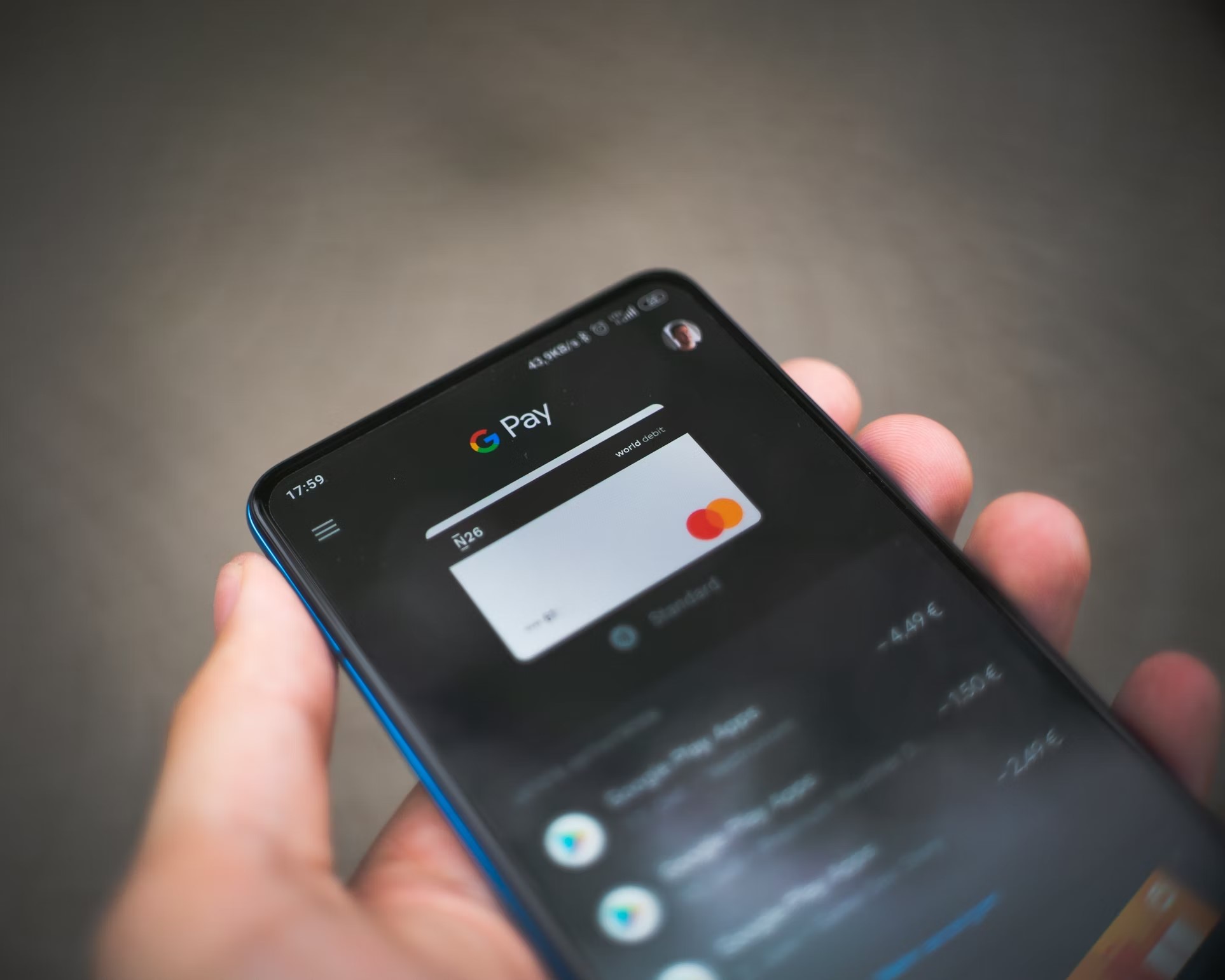
Most electric companies offer a range of convenient online payment methods, including: Direct Bank Transfer (ACH): This method allows you to link your bank account directly to your electric company's online portal for seamless payments. It's often the most secure and cost-effective option. Credit or Debit Card: Paying with a credit or debit card is quick and easy, but be aware that some providers may charge a small processing fee. Third-Party Payment Services: Services like Pay Pal, Google Pay, or Apple Pay are becoming increasingly popular for paying utility bills online. Check if your electric company supports these platforms. Online Bill Pay through Your Bank: Many banks offer online bill pay services, allowing you to schedule payments directly from your checking or savings account. You'll need your electric company's name, address, and your account number.
Step-by-Step Guide to Paying Your Electric Bill Online
Here's a detailed walkthrough to help you navigate the online payment process:Step 1: Locate Your Electric Company's Website
Begin by finding the official website of your electric service provider. You can usually find this information on your physical bill or by searching online. Double-check that you're on the legitimate website to avoid phishing scams.
Step 2: Register or Log In to Your Account
If you're a first-time user, you'll likely need to register for an online account. This usually involves providing your account number (found on your bill), name, address, and email address. Choose a strong, unique password for added security. If you already have an account, simply log in with your username and password.
Step 3: Navigate to the Payment Section
Once logged in, look for a section labeled "Billing," "Payments," "Pay My Bill," or something similar. It's often found in the main navigation menu or within your account dashboard.
Step 4: Select Your Payment Method
Choose your preferred payment method from the available options (e.g., direct bank transfer, credit card, debit card, or third-party payment service).
Step 5: Enter Payment Information
Carefully enter your payment details, such as your bank account number and routing number (for ACH transfers) or your credit/debit card number, expiration date, and CVV code. Ensure all information is accurate to avoid payment errors.
Step 6: Choose Payment Amount and Date
Enter the amount you wish to pay. You can typically pay the full balance, a partial amount, or set up recurring payments for the total amount due each month. You'll also need to select the payment date.
Step 7: Review and Confirm Your Payment
Before submitting your payment, carefully review all the information you've entered, including the payment amount, date, and payment method. Once you're satisfied, confirm your payment.
Step 8: Obtain Confirmation
After submitting your payment, you should receive a confirmation message on the screen and an email confirmation to your registered email address. Keep this confirmation for your records.
Exploring Utility Bill Assistance Programs
For many households, especially those with low incomes, managing electricity costs can be a significant challenge. Fortunately, several utility bill assistance programs are available to provide financial support: Low Income Home Energy Assistance Program (LIHEAP): LIHEAP is a federally funded program that helps eligible low-income households with their home energy bills. It provides assistance with heating and cooling costs, energy crisis situations, and weatherization services. Contact your local LIHEAP office to learn about eligibility requirements and application procedures. State and Local Assistance Programs: Many states and local communities offer their own energy assistance programs, often supplementing LIHEAP. These programs may have different eligibility criteria and benefit levels. Contact your state's energy office or your local social services agency for information on available programs. Utility Company Assistance Programs:Many electric companies offer their own assistance programs for low-income customers. These programs may include bill discounts, payment plans, or energy efficiency programs. Contact your electric company directly to inquire about their offerings.
Applying for utility bill assistance typically involves submitting an application with supporting documentation, such as proof of income, residency, and household size. Be sure to gather all required documents before applying to ensure a smooth process. Some programs offer fuel assistance checks, allowing for a more flexible way to manage heating expenses.
Leveraging Energy Efficiency and Home Heating Programs
Beyond financial assistance, making your home more energy-efficient is crucial for reducing your electricity consumption and lowering your bills. Several programs and incentives are available to help you improve your home's energy efficiency: Home Energy Audits: A home energy audit assesses your home's energy performance and identifies areas where you can save energy. Many utility companies offer free or discounted energy audits. Energy Efficiency Rebates: Numerous rebates are available for purchasing energy-efficient appliances, such as refrigerators, washing machines, and air conditioners. Check with your utility company and state energy office for available rebates. HVAC Tax Credits: The federal government offers tax credits for installing energy-efficient heating, ventilation, and air conditioning (HVAC) systems. These credits can significantly reduce the cost of upgrading to a more efficient system. Weatherization Assistance: Programs like LIHEAP often include weatherization services, which can help seal air leaks, insulate your home, and improve its overall energy efficiency.
Consider exploring renewable energy options, such as solar energy, to further reduce your reliance on traditional electricity sources. While the initial investment may be higher, solar panels can significantly lower your long-term energy costs and even generate excess electricity that you can sell back to the grid. Solar energy tips, such as optimizing panel placement and monitoring performance, can help you maximize your solar investment.
DIY Energy Efficiency Tips for Immediate Savings
You don't need to spend a lot of money to start saving energy at home. Here are some simple DIY energy efficiency tips you can implement right away: Seal Air Leaks: Caulk and weatherstrip around windows and doors to seal air leaks. This can significantly reduce drafts and improve your home's insulation. Insulate Your Home: Proper insulation is essential for keeping your home warm in the winter and cool in the summer. Insulate your attic, walls, and floors to reduce energy loss. Use Energy-Efficient Lighting: Switch to LED light bulbs, which use up to 75% less energy than incandescent bulbs and last much longer. Unplug Electronics: Many electronics consume energy even when they're turned off. Unplug chargers, TVs, and other devices when you're not using them. Adjust Your Thermostat: Lower your thermostat in the winter and raise it in the summer when you're not home or when you're sleeping. Consider installing a programmable thermostat to automate these adjustments. Maintain Your HVAC System: Regularly clean or replace your furnace filters and schedule annual maintenance for your HVAC system to ensure it's running efficiently.
Ensuring a Safe and Energy-Efficient Home Environment
Creating a safe and healthy home environment is just as important as saving money on your energy bills. Here are some tips for ensuring a safe and energy-efficient living space: Check Smoke Detectors and Carbon Monoxide Detectors: Ensure that your smoke detectors and carbon monoxide detectors are working properly and have fresh batteries. These devices are essential for protecting your family from fire and carbon monoxide poisoning. Prevent Frozen Pipes: In cold weather, take steps to prevent your pipes from freezing, such as insulating them and letting faucets drip. Frozen pipes can burst and cause significant water damage. Practice Safe Heating Practices: When using space heaters, follow all safety precautions, such as keeping them away from flammable materials and never leaving them unattended. Remove Negative Energy: Regularly declutter and clean your home to remove negative energy and create a more positive and relaxing living space. Proper ventilation can also help improve indoor air quality.
By combining online bill payment convenience with proactive energy management strategies, you can gain greater control over your electricity costs and create a more comfortable, affordable, and sustainable home. Remember to explore available resources like utility bill assistance, energy rebates, and DIY energy efficiency tips to maximize your savings and minimize your environmental impact. Taking the time to understand your energy consumption and implement these strategies will lead to long-term financial benefits and a healthier home environment.