
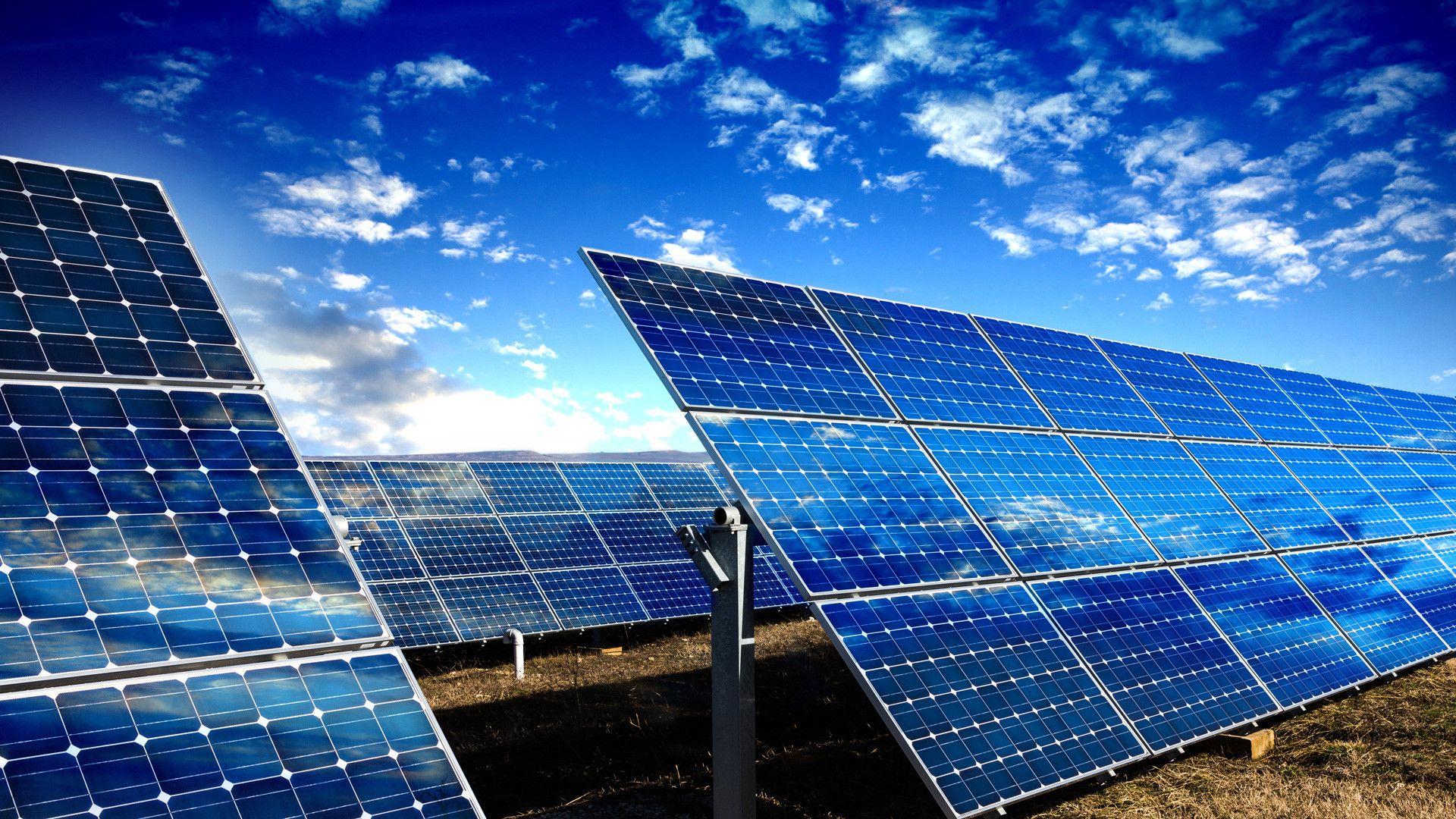
For mobile homeowners looking to reduce their carbon footprint and monthly expenses, harnessing the power of the sun is an increasingly attractive option. It's a practical way to embrace renewable energy, offering significant long-term energy savings and independence from traditional power grids. Let's explore how to make it happen.
Understanding Solar Energy for Mobile Homes
Solar energy systems convert sunlight into electricity using photovoltaic (PV) cells. These cells are typically arranged on panels installed on your roof or property. The direct current (DC) electricity generated is then converted into alternating current (AC) electricity through an inverter, allowing you to power your appliances, lights, and other electrical devices. For mobile homes, several solar energy options exist, each with its own benefits and suitability.
Grid-Tied Systems: These are connected to the main power grid. When your solar panels generate more electricity than you need, the excess is sent back to the grid, and you may receive credit on your utility bill through a process called net metering. This is a popular choice because it offers a reliable power supply, supplementing solar energy with grid power when needed. Off-Grid Systems: These systems operate independently of the power grid and require battery storage to provide electricity when the sun isn't shining. This option is ideal for mobile homes located in remote areas where grid access is limited or unavailable. An off-grid system often requires a more significant initial investment due to the cost of batteries. Hybrid Systems:Hybrid systems combine solar panels, battery storage, and grid connectivity. This provides the best of both worlds, offering energy independence while still allowing you to draw power from the grid when necessary or sell excess solar energy back to the grid.
Benefits of Solar Power for Mobile Homes
Embracing solar energy for your mobile home offers a range of advantages: Reduced Utility Bills: Solar panels can significantly lower your monthly electricity bills, freeing up your budget for other essential needs. Over the long term, the savings can be substantial, making it a worthwhile investment. Explore utility bill assistance programs to help manage costs during the transition. Environmental Benefits: Solar energy is a clean, renewable energy source that helps reduce your carbon footprint and dependence on fossil fuels. By switching to solar, you contribute to a more sustainable future. Increased Property Value: While the impact on mobile home resale value varies, solar panels can be an attractive selling point for environmentally conscious buyers. Energy Independence: With solar panels and battery storage, you can reduce your reliance on the grid and become more self-sufficient in terms of energy. Government Incentives and Rebates:Various government programs and incentives, such as federal tax credits and state-level rebates, can help offset the initial cost of installing solar panels. Look into energy rebates in your area to maximize savings.
Assessing Your Mobile Home for Solar
Before investing in a solar energy system, it's crucial to assess your mobile home's suitability for solar panel installation: Roof Condition: Ensure your roof is in good condition and can support the weight of the solar panels. If your roof is old or damaged, you may need to repair or replace it before proceeding. Roof Orientation and Angle: South-facing roofs receive the most sunlight throughout the day. The angle of your roof also affects solar energy production. A professional installer can assess your roof's orientation and angle to determine the optimal panel placement. Shading: Trees, buildings, and other obstructions can cast shadows on your solar panels, reducing their efficiency. Trim trees or consider other panel placement options to minimize shading. Energy Consumption: Analyze your energy consumption patterns to determine the appropriate size of the solar energy system you need. Review your past utility bills to understand your average monthly energy usage.
Choosing the Right Solar Panel System
Selecting the right solar panel system for your mobile home requires careful consideration of your energy needs, budget, and available space: Panel Type: Monocrystalline panels are more efficient and durable but also more expensive. Polycrystalline panels are a more affordable option with slightly lower efficiency. Thin-film panels are lightweight and flexible but generally less efficient and have a shorter lifespan. System Size: The size of your solar panel system will depend on your energy consumption and the amount of sunlight your location receives. A solar installer can help you calculate the appropriate system size based on your specific needs. Inverter Type: String inverters are a common and cost-effective option for grid-tied systems. Microinverters are installed on each panel, allowing for individual panel monitoring and optimization. Hybrid inverters are used in hybrid systems to manage battery storage and grid connectivity. Battery Storage: If you're considering an off-grid or hybrid system, you'll need to choose batteries to store excess solar energy. Lithium-ion batteries are a popular choice due to their high energy density and long lifespan, but they are more expensive than lead-acid batteries.
Installation and Maintenance
Solar panel installation is a complex process that typically requires the expertise of a qualified installer. Improper installation can lead to safety hazards and reduced system performance.
Professional Installation: Hire a licensed and experienced solar installer to ensure your system is installed correctly and safely. They can handle all aspects of the installation, including permitting, electrical work, and system setup. DIY Installation: While DIY solar panel installation is possible, it's generally not recommended unless you have extensive electrical and roofing experience. Improper installation can void warranties and create safety risks. Maintenance:Solar panels require minimal maintenance. Periodically clean the panels to remove dirt and debris, and inspect the system for any signs of damage. A professional inspection every few years can help ensure optimal system performance.
Financial Assistance and Rebates
The initial cost of solar panel installation can be a barrier for some mobile homeowners. Fortunately, various financial assistance programs and rebates are available to help make solar energy more affordable: Federal Tax Credit: The federal government offers a tax credit for a percentage of the cost of installing solar panels. This credit can significantly reduce your overall investment. State and Local Rebates: Many states and local governments offer rebates and incentives for solar energy systems. Check with your state energy office or local utility company to see what programs are available in your area. LIHEAP (Low Income Home Energy Assistance Program): While LIHEAP primarily focuses on heating and cooling assistance, some states may allow funds to be used for energy-efficient upgrades, including solar panels, for eligible low-income households. Contact your local LIHEAP office for more information. HEAP (Home Energy Assistance Program): Similar to LIHEAP, HEAP provides financial assistance for home energy costs. Investigate if HEAP funds in your state can be applied toward renewable energy installations. Energy Saving Plans:Many utility companies offer energy saving plans and programs that can help you reduce your energy consumption and lower your utility bills. Some of these programs may also offer incentives for installing solar panels.
DIY Energy Efficiency for Mobile Homes
Even without installing solar panels, there are numerous DIY energy efficiency measures you can take to reduce your energy consumption and lower your utility bills: Insulation: Properly insulating your mobile home can significantly reduce heat loss in the winter and heat gain in the summer. Seal gaps and cracks around windows and doors, and add insulation to your walls, roof, and floor. Efficient Lighting: Replace incandescent light bulbs with energy-efficient LED bulbs. LED bulbs use up to 75% less energy and last much longer. Energy-Efficient Appliances: When replacing appliances, choose Energy Star-certified models. These appliances use less energy and can save you money on your utility bills. Smart Thermostat: Install a smart thermostat to automatically adjust your home's temperature based on your schedule and preferences. This can help you save energy and money without sacrificing comfort. Water Heating: Install a low-flow showerhead and faucet aerators to reduce water consumption and save on water heating costs. Insulate your water heater to reduce heat loss. Seal Air Leaks: Identify and seal air leaks around windows, doors, and other openings. Use weather stripping and caulk to prevent drafts.
Navigating Local Regulations and Permits
Before installing solar panels, it's essential to check local regulations and obtain any necessary permits. Contact your local building department or planning office to inquire about solar panel installation requirements. This might include zoning regulations, structural requirements, and electrical codes. Ensuring compliance can prevent future complications and potential fines.
Long-Term Savings and ROI
While the upfront cost of installing solar panels can be significant, the long-term savings and return on investment (ROI) can be substantial. Over the lifespan of your solar panels, you can save thousands of dollars on your utility bills. Additionally, government incentives and rebates can help offset the initial cost, making solar energy a financially sound investment. Consider running a cost-benefit analysis, factoring in your energy consumption, local incentives, and the expected lifespan of the solar panel system, to accurately estimate your ROI.
Conclusion
Harnessing solar energy for your mobile home is a practical way to embrace renewable energy, reduce your utility bills, and contribute to a more sustainable future. By understanding the different solar energy options, assessing your home's suitability, and taking advantage of available financial assistance programs, you can make solar energy a reality for your mobile home. Don't forget to explore DIY energy efficiency measures to further reduce your energy consumption and maximize your savings. Take the first step towards a brighter, more sustainable future today. And always remember to check for utility bill assistance or low income energy programs to provide added financial relief as you transition to energy independence.