
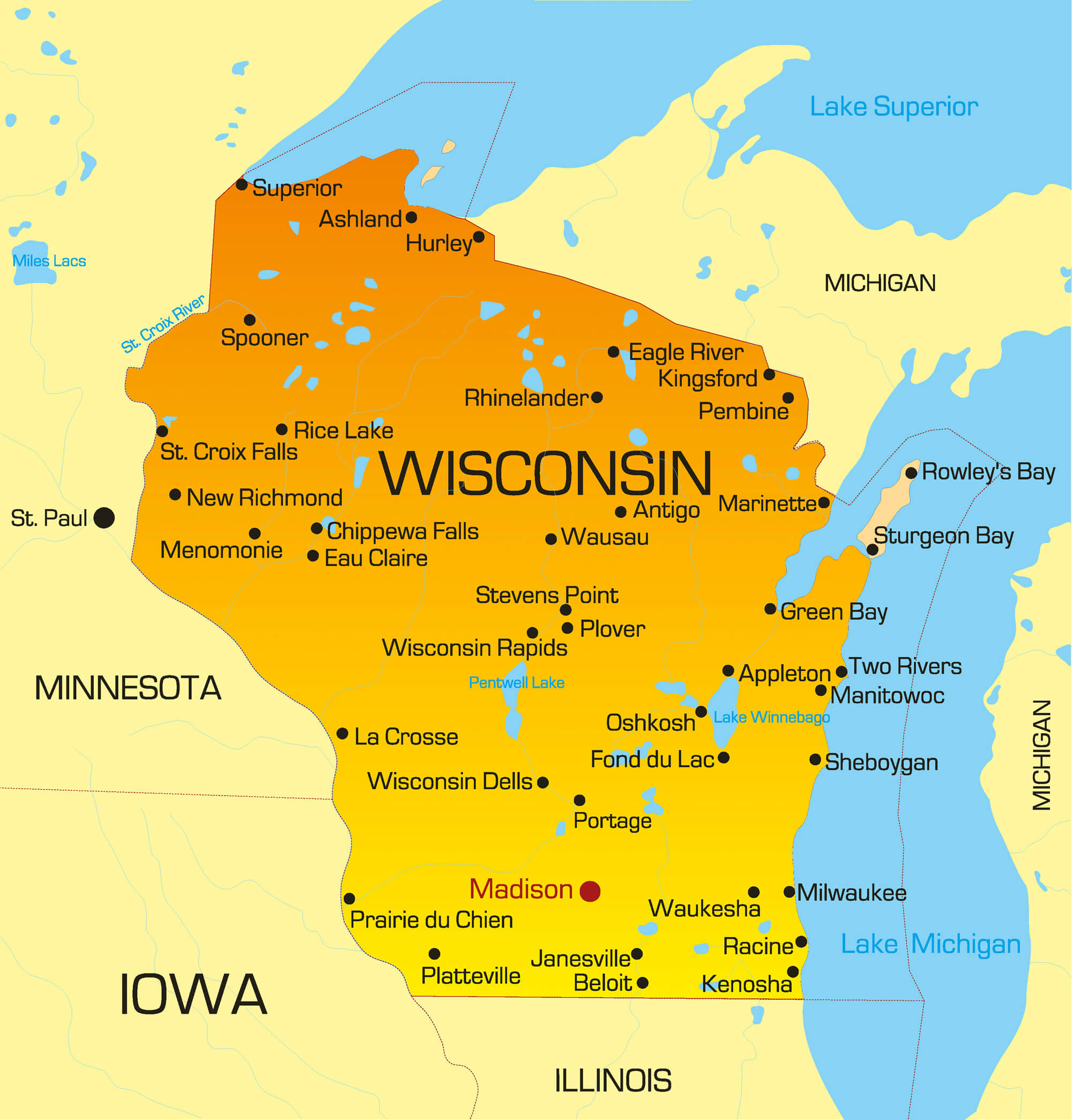
Navigating the complexities of utility bills, especially during Wisconsin's harsh winters and increasingly hot summers, can be daunting. Fortunately, numerous energy assistance programs and resources are available to help households manage costs, improve energy efficiency, and create safer, more comfortable living environments. This comprehensive guide provides a detailed overview of Wisconsin's energy assistance landscape, focusing on where to find help and how to apply.
Understanding Wisconsin's Energy Assistance Landscape
Wisconsin offers a range of programs designed to assist low-income households with their energy bills. These initiatives are typically funded through federal and state sources, and eligibility is generally based on income and household size. The primary program is the Wisconsin Home Energy Assistance Program (WHEAP), which provides direct financial assistance to help cover heating and electric costs. Beyond direct financial aid, many organizations also offer energy efficiency services, weatherization programs, and guidance on managing energy consumption. Understanding these different resources is the first step toward securing the support you need.
Wisconsin Home Energy Assistance Program (WHEAP)
The Wisconsin Home Energy Assistance Program (WHEAP) is the state's main resource for low-income energy assistance. WHEAP provides a one-time payment to help with heating and electric bills. The amount of assistance varies based on factors like income, household size, and energy costs.
WHEAP Eligibility Requirements
To be eligible for WHEAP, you must meet certain criteria: Residency: You must be a Wisconsin resident. Income: Your household income must be at or below 60% of the state median income. Income limits are updated annually, so it's important to check the current guidelines. Responsibility for Energy Costs:You must be responsible for paying your heating and/or electric bills. This can include homeowners, renters, and those living in subsidized housing if they directly pay for energy.
How to Apply for WHEAP
Applying for WHEAP is a straightforward process. Here's a step-by-step guide:
1.Gather Required Documents: Before you begin the application, collect the necessary documents. This typically includes: Proof of income for all household members (pay stubs, social security statements, etc.).
Social Security numbers for all household members.
Current heating and electric bills.
Proof of address (lease agreement, utility bill in your name, etc.).
2.Find Your Local Energy Assistance Agency: WHEAP is administered through local agencies across Wisconsin counties. You can find your local agency by visiting the Wisconsin Department of Administration's website or by calling 1-866-HEATWIS (432-8947).
3.Complete the Application: You can typically apply online, by mail, or in person at your local agency. Check with your local agency for their preferred method. The application will ask for detailed information about your household, income, and energy usage.
4.Submit Your Application: Once you've completed the application and gathered all required documents, submit it to your local energy assistance agency.
5.Follow Up: After submitting your application, it's a good idea to follow up with your local agency to ensure they've received it and to ask about the timeline for processing.
Finding WHEAP Application Locations
WHEAP applications are handled at the county level. Here's how to find a location near you: Online Directory: The Wisconsin Department of Administration maintains an online directory of local energy assistance agencies. This is the quickest and easiest way to find contact information for your county's agency. Simply search for your county to find the address, phone number, and website. 2-1-1 Helpline: Dialing 2-1-1 connects you to a statewide helpline that provides information on health and human services, including energy assistance. The 2-1-1 operator can provide you with the contact information for your local WHEAP agency. Community Action Programs:Many community action programs across Wisconsin also administer WHEAP. These organizations often provide a range of other services as well, such as food assistance, housing assistance, and job training. Contact your local community action program to see if they handle WHEAP applications.
Additional Energy Assistance Programs in Wisconsin
Beyond WHEAP, several other programs can provide assistance with energy bills and related expenses: Keep Wisconsin Warm/Cool Fund: This non-profit organization provides emergency heating assistance to households that have exhausted other resources. They often work in partnership with local agencies to provide fuel, repairs, and other support. Public Benefits Programs: Explore eligibility for other public benefits programs like Food Share (SNAP), Badger Care Plus (Medicaid), and Wisconsin Works (W-2). These programs can free up income that can then be used to pay for energy bills. Utility Company Assistance Programs: Many utility companies in Wisconsin offer their own assistance programs for low-income customers. These may include payment plans, budget billing options, and energy efficiency programs. Contact your utility company to inquire about available resources. Weatherization Assistance Program (WAP): The Weatherization Assistance Program helps low-income families reduce their energy consumption by making their homes more energy efficient. This program provides services such as insulation, air sealing, and heating system repairs or replacements. Contact your local WAP agency to see if you qualify.
Energy Efficiency Tips for Wisconsin Homes
Reducing your energy consumption is a crucial step toward managing energy costs. Here are some practical tips for improving energy efficiency in your Wisconsin home: Insulation: Proper insulation is essential for keeping your home warm in the winter and cool in the summer. Insulate your attic, walls, and floors to reduce heat loss and gain. Sealing Air Leaks: Seal air leaks around windows, doors, and other openings with caulk or weather stripping. This can significantly reduce drafts and energy waste. Programmable Thermostat: Install a programmable thermostat to automatically adjust your home's temperature based on your schedule. This can help you save energy when you're away or asleep. Energy-Efficient Appliances: When replacing appliances, choose energy-efficient models that are Energy Star certified. These appliances use less energy and can save you money over the long term. LED Lighting: Replace incandescent light bulbs with LED bulbs. LEDs use significantly less energy and last much longer. Water Heater Insulation: Insulate your water heater to reduce heat loss and save energy. Regular Maintenance: Schedule regular maintenance for your heating and cooling systems to ensure they're running efficiently. Clean or replace filters regularly, and have your system inspected by a qualified technician. DIY Energy Audit: Conduct your own home energy audit to identify areas where you can improve energy efficiency. Check for drafts, insulation gaps, and other sources of energy waste.
Exploring Renewable Energy Options
Wisconsin residents have access to various renewable energy options, including solar energy, which can further reduce reliance on traditional energy sources and lower utility bills.
Solar Energy in Wisconsin
Solar energy is becoming increasingly popular in Wisconsin. The state offers incentives and programs to encourage homeowners and businesses to install solar panels.
Net Metering: Wisconsin has net metering laws that allow solar panel owners to receive credit on their utility bills for excess electricity they send back to the grid. This can help offset the cost of solar panels and reduce your overall energy expenses. Federal Tax Credit: The federal government offers a tax credit for homeowners who install solar panels. This credit can significantly reduce the upfront cost of solar energy. Focus on Energy: Focus on Energy, Wisconsin's statewide energy efficiency and renewable energy program, provides resources and incentives for solar energy projects. RECs (Renewable Energy Certificates): By purchasing RECs, homeowners can support renewable energy production even if they don't have solar panels installed.
Other Renewable Energy Sources
In addition to solar energy, Wisconsin is exploring other renewable energy sources like wind, biomass, and hydropower. These sources contribute to a cleaner energy mix and can help reduce the state's reliance on fossil fuels.
Understanding Energy Rebates and Tax Credits
Wisconsin offers a variety of energy rebates and tax credits to encourage energy efficiency and renewable energy investments.
Focus on Energy Rebates: Focus on Energy provides rebates for a wide range of energy-efficient products, including appliances, lighting, and HVAC systems. Check their website for current rebate offers. Federal Tax Credits: The federal government offers tax credits for energy-efficient home improvements, such as insulation, windows, and doors. These credits can help offset the cost of these upgrades. Utility Company Rebates:Many utility companies offer their own rebates for energy-efficient products. Contact your utility company to inquire about available rebates.
Preparing Your Home for Winter in Wisconsin
Winter in Wisconsin can be harsh, so it's important to prepare your home for the cold weather.
Winterize Your Home: Insulate your pipes to prevent freezing, seal air leaks around windows and doors, and clean your gutters to prevent ice dams. Emergency Heating Plan: Develop an emergency heating plan in case your primary heating system fails. This may include having a backup heating source, such as a fireplace or space heater, and ensuring you have adequate supplies of fuel. Safe Heating Practices: Follow safe heating practices to prevent fires and carbon monoxide poisoning. Never use a gas oven or stove to heat your home, and make sure your carbon monoxide detectors are working properly. Monitor Weather Conditions: Stay informed about weather forecasts and take precautions to protect yourself and your home during severe weather.
Finding Safe and Affordable Housing
Stable housing is essential for managing energy costs. Wisconsin offers a variety of programs to help low-income families find safe and affordable housing.
Section 8 Housing Choice Voucher Program: This federal program provides rental assistance to low-income families. Vouchers can be used to rent housing in the private market. Public Housing: Public housing agencies across Wisconsin operate affordable housing developments for low-income families, seniors, and people with disabilities. Homeless Shelters and Services: If you are experiencing homelessness, contact your local homeless shelter or service provider for assistance. Wisconsin Emergency Rental Assistance Program (WERAP): Though it concluded, it provided rental and utility assistance to eligible Wisconsin households impacted by the COVID-19 pandemic. Check with local agencies for any similar, updated programs.
Conclusion: Empowering Wisconsin Residents Through Energy Assistance
Navigating the energy assistance landscape in Wisconsin can seem complex, but numerous resources are available to help households manage their energy costs and improve their living environments. By understanding the various programs, implementing energy efficiency measures, and exploring renewable energy options, Wisconsin residents can take control of their energy bills and create more sustainable and comfortable homes. Remember to utilize the resources mentioned in this guide, including the WHEAP program, Focus on Energy, and your local utility company, to access the assistance and support you need. By taking proactive steps, you can ensure a more energy-efficient and financially secure future for yourself and your family.