
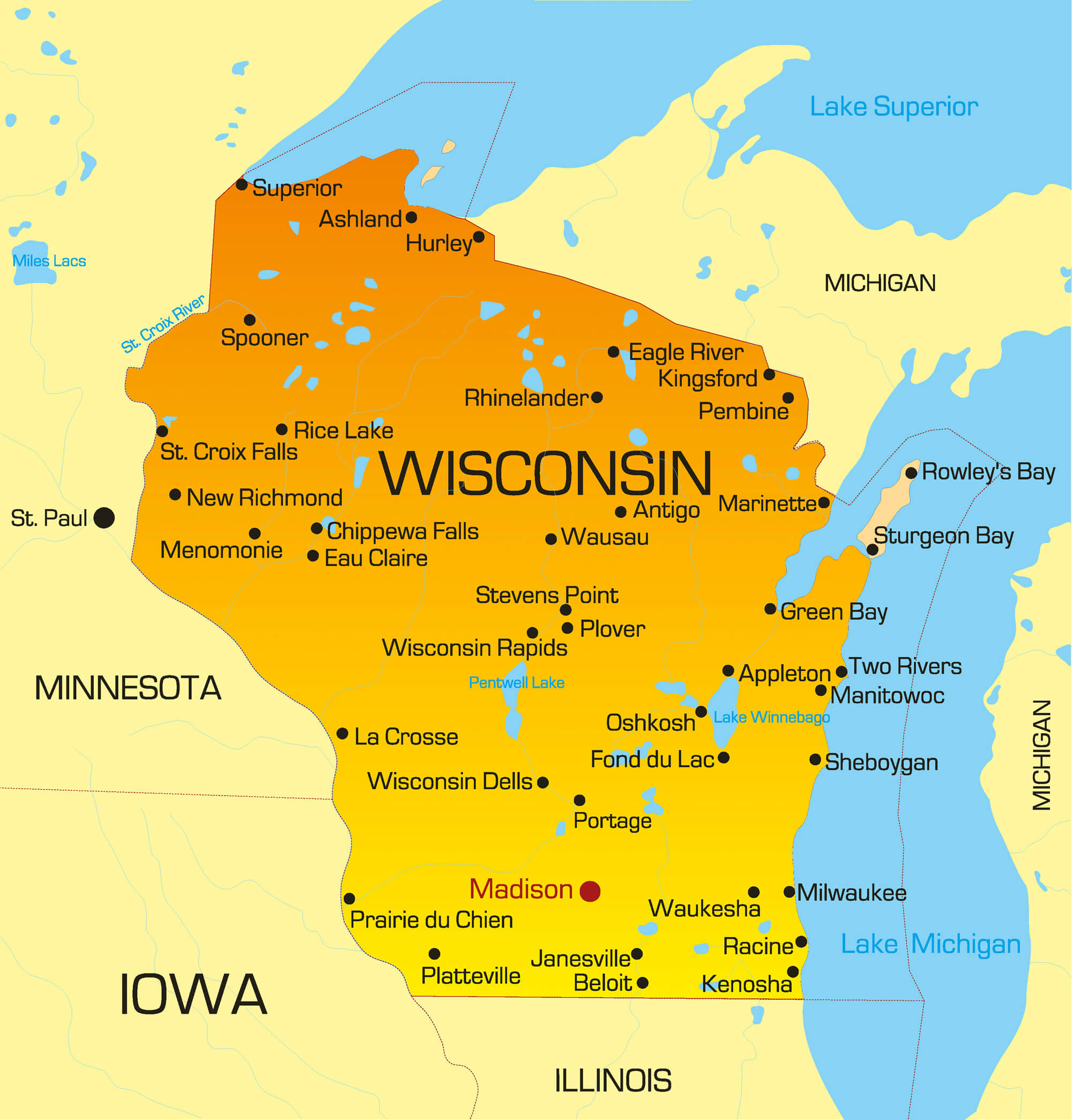
Are you struggling to keep up with your energy bills in Wisconsin? You're not alone. Many Wisconsin residents face challenges affording essential heating and cooling, especially during harsh winters and hot summers. Fortunately, Wisconsin offers several programs designed to provide much-needed utility bill assistance and promote energy savings. This comprehensive guide will walk you through the details of Wisconsin's energy assistance programs, helping you understand eligibility, application processes, and available resources to make your home more energy-efficient and affordable.
Understanding Wisconsin's Low Income Energy Assistance Program (LIHEAP)
Wisconsin's primary energy assistance program is the Low Income Energy Assistance Program (LIHEAP), often referred to as the Home Energy Assistance Program (HEAP). This federally funded program helps eligible households pay for their heating and energy costs. LIHEAP provides a one-time payment to your energy provider, significantly reducing your financial burden during peak seasons.
Who is Eligible?
Eligibility for LIHEAP is based on several factors, including income, household size, and energy costs. Generally, households with incomes at or below 60% of the state median income are eligible. Here's a general overview: Income Limits: Income limits vary based on household size. You can find the most up-to-date income guidelines on the Wisconsin Department of Administration's website or by contacting your local energy assistance agency. Residency: You must be a resident of Wisconsin. Responsibility for Energy Bills: You must be responsible for paying your home energy bills, either directly or indirectly (e.g., as part of your rent). Citizenship: You must be a U.S. citizen or qualified alien.
Applying for LIHEAP is a straightforward process. Here's a step-by-step guide:
1.Find Your Local Agency: Energy assistance is administered through local agencies throughout Wisconsin. You can find your local agency by visiting the Wisconsin Department of Administration website or calling their information line.
2.Gather Required Documents: Before you apply, gather the necessary documents, which typically include: Proof of income for all household members (pay stubs, Social Security statements, etc.)
Social Security numbers for all household members
Current energy bill
Proof of address (lease, mortgage statement, etc.)
3.Complete the Application: You can apply online, by mail, or in person, depending on your local agency's procedures. The application form will ask for information about your household, income, and energy usage.
4.Submit Your Application: Once you've completed the application, submit it to your local agency along with all required documentation.
5.Wait for Approval: Your local agency will review your application and determine your eligibility. You'll receive a notification of their decision.
Benefit Amounts
The amount of energy assistance you receive through LIHEAP depends on various factors, including your income, household size, energy costs, and fuel type. Benefit amounts are typically a one-time payment applied directly to your energy bill. The exact amount varies from year to year, so check with your local agency for current benefit levels.
Exploring Other Wisconsin Energy Assistance Programs
While LIHEAP is the primary energy assistance program, Wisconsin offers other resources to help residents manage their energy costs and improve energy efficiency.
Keep Wisconsin Warm/Cool Fund
The Keep Wisconsin Warm/Cool Fund is a statewide non-profit organization that provides emergency assistance to households facing disconnection of their utility services. This fund often steps in when families don't quite qualify for LIHEAP or have exhausted their LIHEAP benefits. You can apply for assistance through your local energy assistance agency.
Wisconsin Home Energy Plus (WHEAP)
Wisconsin Home Energy Plus (WHEAP) combines LIHEAP with weatherization assistance. This integrated approach not only helps with immediate energy bill relief but also provides long-term solutions to reduce energy consumption through home improvements.
Maximizing Energy Savings: DIY Energy Efficiency Tips
Beyond financial assistance, taking proactive steps to improve your home's energy efficiency can significantly reduce your energy bills. Here are some practical DIY energy efficiency tips: Seal Air Leaks: Identify and seal air leaks around windows, doors, and other openings using weather stripping and caulk. This simple step can prevent drafts and reduce heat loss in the winter and cool air loss in the summer. Insulate Your Home: Proper insulation is crucial for maintaining a comfortable temperature and reducing energy consumption. Check your attic, walls, and crawl spaces for adequate insulation. Consider adding more insulation if needed. Upgrade to Energy-Efficient Lighting: Replace incandescent light bulbs with LED bulbs. LEDs use significantly less energy and last much longer, saving you money in the long run. Use Programmable Thermostats: Install programmable thermostats to automatically adjust the temperature when you're away from home or sleeping. This can help you save energy without sacrificing comfort. Maintain Your HVAC System: Regularly maintain your heating and cooling system to ensure it's running efficiently. Clean or replace air filters regularly and schedule professional maintenance checks. Reduce Water Heating Costs: Lower the temperature of your water heater to 120°F. Insulate your water heater and hot water pipes to reduce heat loss. Take shorter showers and fix any leaky faucets. Unplug Electronics:Many electronics consume energy even when they're turned off. Unplug electronics and chargers when you're not using them to prevent "phantom load."
Wisconsin Energy Rebates and Tax Credits
Wisconsin offers various energy rebates and tax credits to incentivize energy-efficient upgrades.
Focus on Energy Program
The Focus on Energy program provides rebates and incentives for energy-efficient appliances, lighting, and home improvements. Check their website for a list of eligible products and available rebates. For example, you might find rebates for:
High-efficiency furnaces and air conditioners
ENERGY STAR certified appliances
Insulation upgrades
Smart thermostats
Federal Tax Credits for Energy Efficiency
In addition to state programs, you may be eligible for federal tax credits for making energy-efficient improvements to your home. These credits can significantly reduce the cost of upgrades like solar panels, heat pumps, and energy-efficient windows. Consult with a tax professional or visit the IRS website for more information.
Exploring Renewable Energy Options
Consider investing in renewable energy options like solar panels to generate your own electricity and reduce your reliance on traditional energy sources.
Solar Energy in Wisconsin
Solar energy is becoming increasingly popular in Wisconsin as the cost of solar panels decreases and incentives become more attractive. By installing solar panels, you can generate clean, renewable energy and reduce your energy bills. Wisconsin offers net metering, which allows you to sell excess electricity back to the grid.
Benefits of Solar Energy Reduced Energy Bills: Solar panels can significantly reduce or even eliminate your electricity bills. Environmental Benefits: Solar energy is a clean, renewable energy source that reduces your carbon footprint. Increased Home Value: Installing solar panels can increase the value of your home. Energy Independence:Solar panels give you greater control over your energy supply.
Contacting Your Utility Company for Assistance
If you're struggling to pay your energy bills, don't hesitate to contact your utility company. Many utility companies offer payment plans, budget billing options, and other assistance programs to help customers manage their bills. They can also provide energy audits to identify areas where you can reduce your energy consumption.
Payment Plans and Budget Billing
Payment plans allow you to spread out your energy bill payments over a longer period, making them more manageable. Budget billing averages your energy consumption over the year, so you pay a consistent amount each month, regardless of the season.
Energy Audits
An energy audit can help you identify areas in your home where you're losing energy and recommend steps you can take to improve energy efficiency. Some utility companies offer free or low-cost energy audits to their customers.
Creating a Safe and Energy-Efficient Home Environment
Beyond saving money, creating an energy-efficient home also contributes to a safer and healthier living environment.
Preventing Carbon Monoxide Poisoning
Ensure you have working carbon monoxide detectors in your home, especially if you use gas appliances. Carbon monoxide is a colorless, odorless gas that can be deadly.
Maintaining Proper Ventilation
Proper ventilation is essential for maintaining good indoor air quality. Make sure your home is adequately ventilated to prevent the buildup of moisture and pollutants.
Addressing Mold and Moisture Issues
Mold and moisture can lead to health problems and damage your home. Address any leaks or moisture issues promptly to prevent mold growth.
The Path to Affordable Home Heating and Cooling
Navigating the landscape of energy assistance and efficiency programs in Wisconsin can seem daunting, but with the right information and resources, you can take control of your energy costs and create a more comfortable and sustainable home. Take advantage of LIHEAP, explore other assistance programs, implement DIY energy efficiency tips, and consider renewable energy options. By combining financial assistance with proactive energy-saving measures, you can achieve affordable home heating and cooling and improve your overall quality of life.
Remember to stay informed about program updates and eligibility requirements by regularly checking the Wisconsin Department of Administration's website and contacting your local energy assistance agency. With diligence and the resources available, you can make your home more energy-efficient and your energy bills more manageable.