
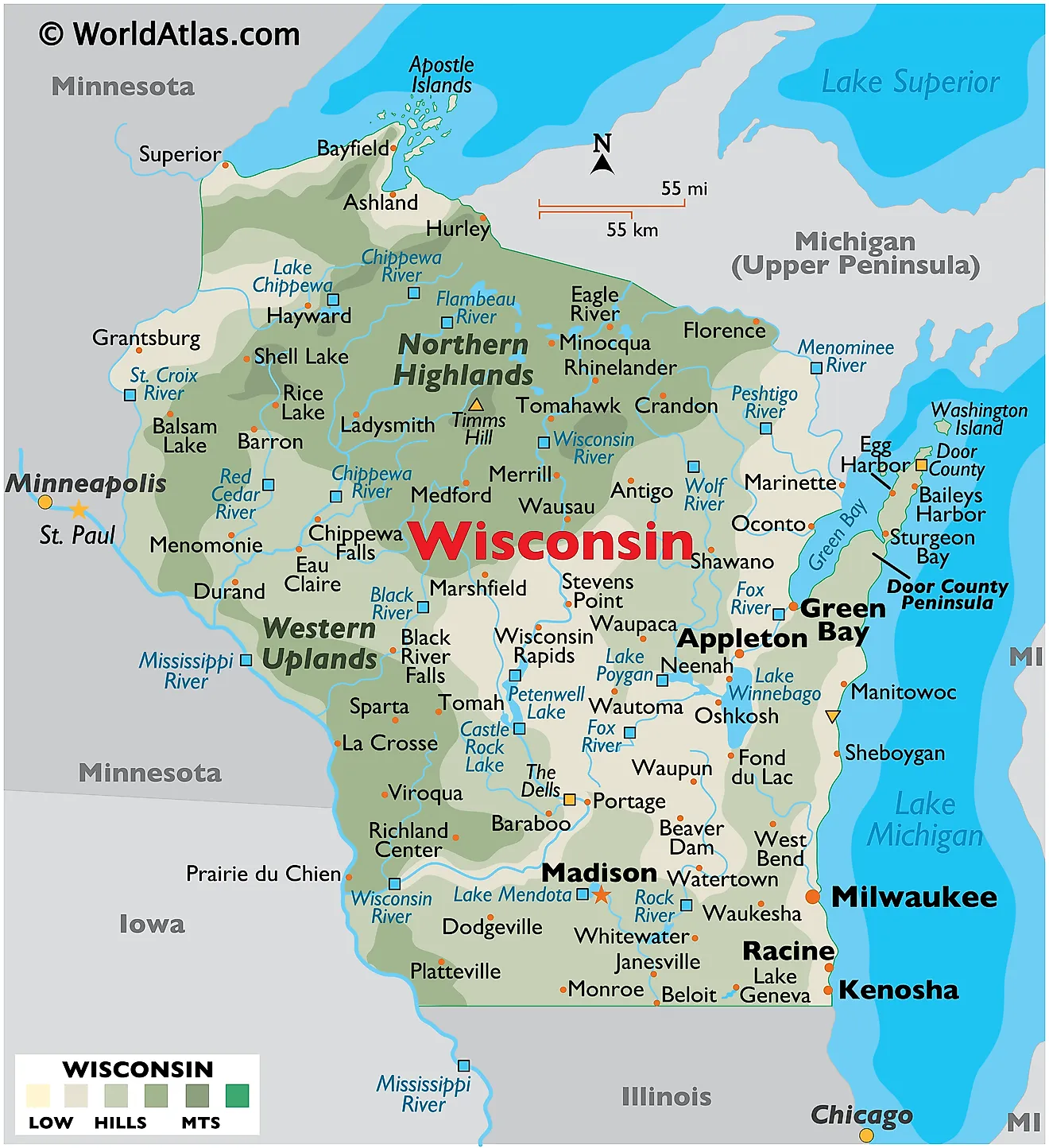
Navigating the complexities of energy bills can be daunting, especially during Wisconsin's harsh winters. Fortunately, the Wisconsin Home Energy Assistance Program (WHEAP), often referred to as the Wisconsin energy assistance program, is here to help. This comprehensive guide walks you through the application process, eligibility requirements, and benefits of WHEAP, so you can keep your home warm and your energy bills manageable. We’ll also touch on other energy-saving initiatives and resources available to Wisconsin residents.
Understanding the Wisconsin Home Energy Assistance Program (WHEAP)
WHEAP is a crucial lifeline for low-income Wisconsin households struggling to afford their heating and energy costs. Funded by the federal Low Income Home Energy Assistance Program (LIHEAP), it provides financial assistance to cover a portion of your energy bills, preventing disconnection during the colder months. The program isn't just about paying bills; it's also about promoting energy efficiency and helping families achieve long-term energy savings. WHEAP offers various forms of assistance, including direct payments to energy suppliers, emergency fuel assistance, and weatherization services. Understanding the scope of WHEAP is the first step in accessing this vital resource.
Who is Eligible for Wisconsin Energy Assistance?
Eligibility for the Wisconsin energy assistance program hinges on several factors, primarily your household income, size, and energy costs. While the specific income thresholds change annually, they generally align with federal poverty guidelines. You must be a Wisconsin resident and responsible for paying your home energy bills. Here’s a general breakdown of the eligibility criteria: Income Limits: Your gross household income must fall within the established income guidelines. These limits are updated each year, so it's important to check the latest information on the official WHEAP website or through your local energy assistance agency. Residency: You must be a resident of Wisconsin. Responsibility for Energy Bills: You must be responsible for paying your home heating costs, either directly to the utility company or as part of your rent. Renters who pay utilities directly are also eligible. Citizenship/Legal Residency: Applicants must be U.S. citizens or qualified aliens.
Even if you think you might not qualify, it's worth applying. There are circumstances where exceptions can be made, particularly for households with high energy burdens or special needs.
How to Apply for WHEAP: A Step-by-Step Guide
The application process for the Wisconsin energy assistance program is designed to be straightforward, but it's essential to gather all the necessary documents and information beforehand. You can apply online, by mail, or in person at your local energy assistance agency. Here’s a step-by-step guide:
1.Gather Required Documents: Before starting your application, collect the following documents: Proof of income for all household members (pay stubs, social security statements, unemployment benefits statements, etc.)
Social Security numbers for all household members.
Your most recent energy bill.
Proof of address (lease agreement, property tax bill, etc.).
If applicable, documentation of any disability or medical expenses.
2.Choose Your Application Method:
Online: Visit the Wisconsin Department of Administration website and navigate to the WHEAP section. You can complete and submit the application electronically.
Mail: Download the application form from the website, complete it, and mail it to your local energy assistance agency.
In Person: Visit your local energy assistance agency. A representative can assist you with completing the application and answer any questions you may have. Find your local agency using the WHEAP website's agency locator tool.
3.Complete the Application Form: Fill out all sections of the application form accurately and completely. Double-check your information before submitting to avoid delays or rejection.
4.Submit Your Application: Submit your application along with all required documents through your chosen method (online, mail, or in person).
5.Follow Up: After submitting your application, you may be contacted for additional information or clarification. Respond promptly to any requests to ensure your application is processed efficiently.
Understanding the Benefits of WHEAP
The benefits of the Wisconsin energy assistance program extend beyond just financial aid. While the primary benefit is a one-time payment applied directly to your energy bill, WHEAP also offers other resources and support: Direct Payment to Energy Supplier: The amount of assistance varies depending on your income, household size, and energy usage. The payment is credited directly to your energy account. Emergency Fuel Assistance: If you are facing a heating crisis, such as a fuel shortage or a disconnection notice, WHEAP can provide emergency assistance to ensure your home remains heated. Weatherization Services: WHEAP also offers weatherization services to eligible homeowners and renters. These services include insulation upgrades, sealing air leaks, and other measures to improve energy efficiency and reduce long-term energy costs. Budget Counseling and Energy Education: Some local agencies also provide budget counseling and energy education to help families manage their energy costs and conserve energy.
These comprehensive benefits make WHEAP a valuable resource for Wisconsin residents struggling with energy affordability.
Beyond WHEAP: Other Wisconsin Energy Assistance Programs and Resources
While WHEAP is the primary energy assistance program in Wisconsin, several other resources and initiatives can help you manage your energy costs: Focus on Energy: This statewide program offers energy efficiency rebates and incentives for homeowners and businesses. You can receive rebates for purchasing energy-efficient appliances, installing insulation, and upgrading your heating and cooling systems. Focus on Energy also provides free energy assessments to help you identify areas where you can save energy. Keep Wisconsin Warm/Cool Fund: This non-profit organization provides emergency assistance to households facing energy crises. They offer grants to help families pay their energy bills and avoid disconnection. Public Benefits Programs: Explore other public benefits programs, such as food assistance (SNAP) and Medicaid, which can help free up funds to cover energy costs. Utility Company Assistance Programs: Many utility companies in Wisconsin offer their own assistance programs, such as payment plans, budget billing, and energy efficiency programs. Contact your utility company to learn more about these options.
DIY Energy Efficiency Tips for Wisconsin Homes
Besides relying on financial assistance programs, implementing DIY energy efficiency measures can significantly reduce your energy consumption and lower your bills. Here are some practical tips: Seal Air Leaks: Use caulk and weather stripping to seal gaps around windows, doors, and other openings. This prevents drafts and reduces heat loss during the winter. Insulate Your Home: Proper insulation is essential for maintaining a comfortable temperature and reducing energy costs. Insulate your attic, walls, and floors to prevent heat loss in the winter and heat gain in the summer. Upgrade to Energy-Efficient Lighting: Replace incandescent light bulbs with LED bulbs, which use significantly less energy and last much longer. Install a Programmable Thermostat: A programmable thermostat allows you to automatically adjust your thermostat settings based on your schedule, reducing energy waste when you're away from home. Maintain Your Heating and Cooling Systems: Regularly inspect and maintain your furnace, air conditioner, and other heating and cooling systems. Clean or replace filters regularly and schedule annual maintenance to ensure they are operating efficiently. Use Energy-Efficient Appliances: When purchasing new appliances, look for the Energy Star label. Energy Star appliances meet strict energy efficiency guidelines and can save you money on your energy bills. Unplug Electronics:Many electronics continue to draw power even when they are turned off. Unplug electronics when they are not in use to eliminate phantom energy loads.
Renewable Energy Options and Solar Energy Tips for Wisconsin Residents
Considering renewable energy sources, such as solar, can significantly reduce your long-term energy costs and environmental impact. While Wisconsin isn't known for constant sunshine, solar energy can still be a viable option. Here are some tips for exploring solar energy in Wisconsin: Assess Your Home's Solar Potential: Evaluate your home's roof orientation, shading, and energy consumption to determine if solar energy is a good fit. Explore Solar Financing Options: Several financing options are available to help you pay for solar panels, including loans, leases, and power purchase agreements (PPAs). Take Advantage of Solar Incentives: Wisconsin offers various solar incentives, such as tax credits and rebates, to help reduce the cost of installing solar panels. Consider Community Solar: If you can't install solar panels on your own roof, consider participating in a community solar project. Community solar allows you to share the benefits of solar energy with other members of your community. Compare Quotes from Solar Installers:Get quotes from multiple solar installers to ensure you are getting the best price and service.
Navigating the Application Process with Ease
The WHEAP application process can seem daunting, but with careful preparation and attention to detail, you can navigate it with ease. Here are some additional tips: Start Early: Apply for WHEAP as soon as the application period opens to ensure you receive assistance in a timely manner. Keep Records: Keep copies of all documents you submit with your application. Ask Questions: Don't hesitate to contact your local energy assistance agency if you have any questions or need help completing the application. Be Patient: The application process can take several weeks, so be patient and allow time for your application to be processed. Appeal a Denial:If your application is denied, you have the right to appeal the decision. Follow the instructions provided in the denial letter to file an appeal.
Staying Safe and Warm During Wisconsin Winters
Beyond energy assistance and efficiency measures, it's crucial to prioritize safety during Wisconsin's harsh winters. Here are some tips for staying safe and warm: Prepare an Emergency Kit: Assemble an emergency kit with essential supplies, such as food, water, blankets, a flashlight, and a battery-powered radio. Insulate Pipes: Insulate exposed pipes to prevent them from freezing and bursting. Carbon Monoxide Detectors: Install carbon monoxide detectors to protect against carbon monoxide poisoning, which can be fatal. Safe Heating Practices: Use space heaters safely by keeping them away from flammable materials and never leaving them unattended. Stay Informed:Monitor weather forecasts and be prepared for winter storms.
By combining energy assistance programs with energy efficiency measures and safety precautions, you can effectively manage your energy costs and stay safe and warm during Wisconsin's challenging winters. Remember to explore all available resources, seek help when needed, and take proactive steps to conserve energy and protect your home.